Your bathroom should feel clean, safe and easy to use — not like a daily source of stress. But when leaks keep coming back, mould keeps appearing, or the layout no longer works for your family, small problems can quickly become expensive ones.
For many Sydney homeowners, the hardest part is knowing whether the bathroom needs a simple repair or a full renovation. This guide walks you through the 7 key signs it may be time to renovate your bathroom, what each sign usually means, and what you should consider before starting a project.
Quick Checklist: Is It Time to Renovate Your Bathroom?
If you notice several of the issues below, your bathroom may need more than a quick cosmetic update:
- Persistent leaks or unexplained water damage
- Mould or mildew that keeps returning
- Cracked tiles, loose grout, or failing silicone
- Poor layout, cramped movement, or awkward fixtures
- Not enough storage for daily essentials
- Safety concerns for children, guests, or older family members
- An outdated bathroom that affects comfort or resale value
A single issue does not always mean you need a full renovation. However, when multiple problems appear together — for example, mould, cracked grout, and a damp smell — it is usually worth having the bathroom properly assessed.
Sign #1 – Persistent Leaks or Water Damage
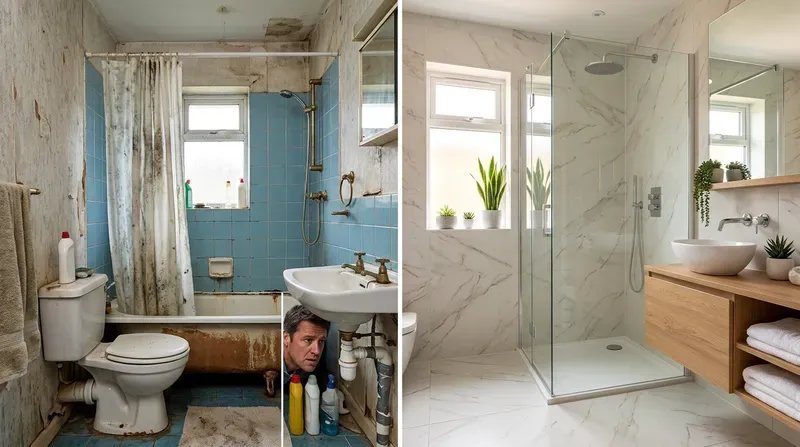
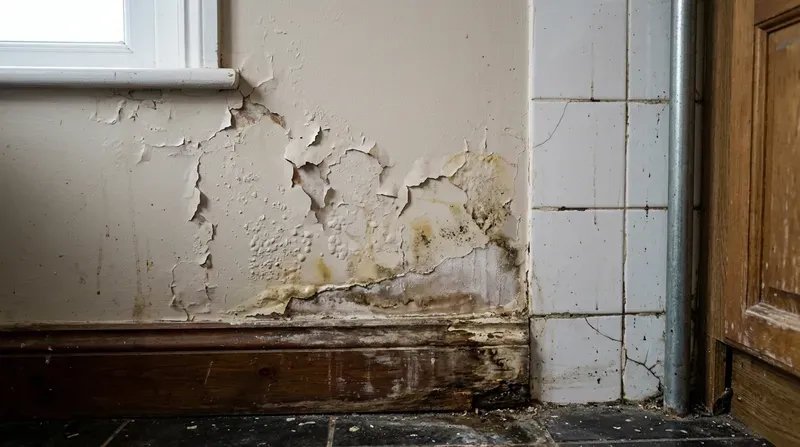
Water damage is one of the clearest signs your bathroom needs attention. Sometimes the problem is obvious, such as a leaking tap or water pooling near the shower. Other times, the signs are more subtle.
What to Look For
Common warning signs include:
- Peeling paint near the shower, bath, or vanity
- Swollen cabinetry or soft timber
- Damp smells that do not go away
- Stains on the ceiling below an upstairs bathroom
- Loose tiles or bubbling wall surfaces
- Higher-than-usual water bills
In our experience at JD PRO BUILD, homeowners often call us after trying several small fixes first. The issue is that repeated patch repairs may hide the visible symptom without solving the cause behind the wall, under the floor, or around the waterproofing layer.
Why It Matters
Water damage can affect framing, flooring, cabinetry, and nearby rooms. If left unresolved, a small leak can become a larger structural issue.
NSW Health advises that water leaks and plumbing problems should be repaired promptly to help prevent mould growth and moisture-related issues in the home.
If your bathroom has recurring leaks, it may be time to consider a proper renovation rather than another temporary repair.
Sign #2 – Mould and Mildew Keep Coming Back
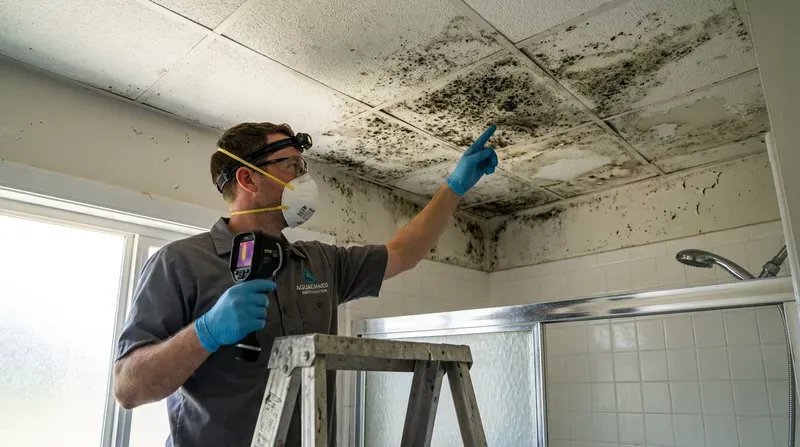
A little surface mould can sometimes be caused by poor cleaning or a lack of airflow. But if mould keeps returning after you clean it, the problem is usually deeper.
Common Causes of Recurring Mould
Recurring mould may be linked to:
- Poor ventilation
- Failed grout or silicone
- Leaking pipes
- Moisture trapped behind tiles
- Inadequate waterproofing
- Lack of natural light or airflow
Bathrooms are naturally humid, but they should still dry properly after use. If the room stays damp for hours, mould has the perfect environment to grow.
When It Becomes a Renovation Issue
If mould appears around shower corners, ceilings, cabinetry, or tile joints again and again, cleaning alone is unlikely to solve it. A renovation allows you to address the source of moisture, improve ventilation, replace damaged materials, and install a more durable waterproofing system.
Sign #3 – Cracked Tiles, Loose Grout, or Failed Silicone
Cracked tiles and worn grout may look like minor cosmetic issues, but they can also be warning signs of movement, water entry, or age-related failure.
Why Damaged Tiles Should Not Be Ignored
Damaged tiles can create several problems:
- Water can seep through cracks and joints
- Sharp tile edges can become a safety risk
- Loose tiles may indicate movement underneath
- Old grout can trap dirt and bacteria
- Failed silicone can allow moisture behind fixtures
Replacing one tile may be enough if the damage is isolated. But if cracks are widespread or the grout is failing across the bathroom, the issue may be part of a larger waterproofing or substrate problem.
A Practical Renovation Opportunity
A full renovation gives you the chance to upgrade more than the tile surface. You can improve drainage, waterproofing, slip resistance, lighting, and storage at the same time.
At JD PRO BUILD, we often recommend looking at the whole bathroom system — not just the visible finish. A beautiful bathroom should also be safe, durable, and easy to maintain.
Sign #4 – The Layout No Longer Works
A bathroom can look acceptable, but still be frustrating to use every day. Poor layout is one of the most common reasons Sydney homeowners decide to renovate.
Signs of a Poor Bathroom Layout
Your layout may need improvement if:
- The door hits the vanity, toilet, or shower screen
- The shower feels too small
- Two people cannot use the room comfortably
- There is no practical space for towels or toiletries
- The toilet is positioned awkwardly
- The bath takes up space but is rarely used
Many Sydney homes, terraces and apartments have compact bathrooms. In these spaces, every centimetre matters.
How a Renovation Can Improve Daily Use
A smart renovation can make the room feel larger without changing the footprint. For example, you might replace a bulky bathtub with a walk-in shower, use a wall-hung vanity, add recessed storage, or reposition fixtures for better movement.
Sign #5 – You Do Not Have Enough Storage
A lack of storage can make even a clean bathroom feel messy. When toiletries, hair products, towels, and cleaning supplies have nowhere to go, clutter quickly takes over.
Common Storage Problems
You may need better storage if:
- Your vanity drawers are always full
- Products sit permanently on the benchtop
- Towels are stored outside the bathroom
- There is no space inside the shower
- Cleaning products are hard to access
- The bathroom feels cluttered even after cleaning
Good bathroom design is not only about appearance. It should support the way you live.
Better Storage Options
Modern bathroom renovations can include:
- Floating vanities with deep drawers
- Mirrored shaving cabinets
- Recessed shower niches
- Tall storage cabinets
- Built-in shelving
- Custom joinery for awkward spaces
The goal is simple: everything should have a place, and the room should be easy to keep tidy.
Sign #6 – Your Family Has Outgrown the Space
Your bathroom may have worked well years ago, but family needs change. Children grow up, routines become busier, and older family members may need safer access.
Lifestyle Changes That Affect Bathroom Design
A renovation may be worth considering if:
- Morning routines are becoming stressful
- A single vanity is no longer enough
- Young children need a bath
- Teenagers need more storage and mirror space
- Older family members need safer access
- You want a more relaxing ensuite or retreat
Bathrooms should evolve with your household. A design that suited one person may not work for a growing family.
Designing for Comfort and Safety
Safety is especially important in wet areas. A thoughtful renovation can include non-slip tiles, better lighting, grab rail planning, walk-in showers, and easier access.
These upgrades are not only useful for older homeowners. They also make the bathroom safer for children, guests, and anyone with limited mobility.
Sign #7 – You Are Planning to Sell Your Home
If you are preparing to sell, an outdated bathroom can affect buyer perception. Bathrooms and kitchens are often among the first areas buyers inspect closely.
Why Bathrooms Matter to Buyers
A tired bathroom can make buyers wonder what else in the home may need work. On the other hand, a clean, modern, and well-built bathroom can create confidence.
A renovation may help if your bathroom has:
- Outdated colours or old fixtures
- Visible mould or water damage
- Poor lighting
- Worn cabinetry
- Cracked tiles or old grout
- A layout that feels cramped or impractical
Renovating for Resale
If resale is the goal, keep the design broad and timeless. Neutral colours, quality fixtures, good lighting and practical storage usually appeal to more buyers than highly personal design choices.
Repair or Renovate: How to Decide
Not every bathroom issue requires a full renovation. A small repair may be enough if the problem is isolated, recent, and easy to fix.
A Repair May Be Enough When
- One tap is leaking
- A small section of silicone needs replacing
- One tile is chipped, but the rest of the bathroom is sound
- The bathroom is still functional and dry
- There are no signs of recurring mould or water damage
A Renovation May Be Better When
- Leaks keep returning
- Mould comes back after cleaning
- Tiles or grout are failing in several areas
- The layout causes daily frustration
- Fixtures, plumbing, and ventilation are outdated
- You are preparing the home for sale
- The bathroom no longer suits your family’s needs
A professional assessment can help you avoid spending money on short-term repairs when a long-term solution would be more cost-effective.
Sydney Bathroom Renovation Considerations
Bathroom renovations in Sydney often involve more than choosing tiles and tapware. Depending on your property type and age, there may be safety, approval, and compliance considerations.
Older Homes and Asbestos Risk
If your home was built or renovated before 1990, be careful before removing wall linings, flooring, or old sheeting.
NSW asbestos guidance recommends assuming materials may contain asbestos in homes built before 1990 until they are properly identified.
Do not cut, drill, sand, or remove suspected asbestos materials yourself. Speak with qualified professionals before demolition begins.
Strata Apartments
If you live in a strata apartment, bathroom renovation may require approval because the work can affect waterproofing, plumbing, floors, walls, ceilings, or common property.
Before starting, check your strata by-laws and approval requirements.
Licensed Trades
Bathroom renovations can involve plumbing, drainage, waterproofing, ventilation, and electrical work. In NSW, this type of work should be handled by appropriately licensed professionals.
Choosing the right team helps protect your home, your insurance position and the long-term performance of the renovation.
Bathroom Renovation Checklist Before You Start
Before speaking with a builder or renovator, prepare answers to these questions:
- How old is the bathroom?
- Are there leaks, mould or water damage?
- Is the home freestanding, attached or strata?
- Was the property built before 1990?
- Do you want to keep the same layout?
- What storage problems do you want to solve?
- Who uses the bathroom every day?
- What style do you prefer?
Clear answers help your renovation team recommend practical options and reduce unexpected changes during the project.
Why Choose JD PRO BUILD for Your Bathroom Renovation?
At JD PRO BUILD, we understand that a bathroom renovation is not just about creating a better-looking room. It is about solving real daily problems — leaks, poor storage, awkward layouts, safety concerns, and outdated finishes.
Our approach is practical, detailed, and homeowner-focused. We look at how the bathroom is used, what issues are causing stress, and what improvements will create the most long-term value.
When assessing a bathroom, we consider:
- Water damage and moisture risks
- Layout and movement
- Storage needs
- Ventilation
- Fixture quality
- Safety and accessibility
- Long-term maintenance
The result is a bathroom that feels more comfortable, performs better, and suits the way you live.
Frequently Asked Questions
How often should a bathroom be renovated?
Many bathrooms need major updates after 15 to 20 years, depending on ventilation, waterproofing quality, daily use, and maintenance. However, visible water damage, mould, or layout problems may mean you need to renovate sooner.
Is mould a sign I need to renovate my bathroom?
Recurring mould can be a sign of poor ventilation, leaks, or failed waterproofing. If mould keeps returning after cleaning, the moisture source should be investigated.
Does a bathroom renovation increase home value?
A well-designed bathroom renovation can improve buyer appeal and may increase perceived property value, especially when the existing bathroom is outdated, damaged, or poorly designed.
Can I repair cracked tiles instead of renovating?
Yes, if the damage is minor and isolated. However, if multiple tiles are cracked, grout is failing, or there are signs of water entry, a full renovation may be the safer long-term option.
Do I need approval to renovate a bathroom in a Sydney apartment?
In many strata properties, approval is required because bathroom work can affect waterproofing, plumbing, and common property. Always check with your owners’ corporation before starting.
Book a Bathroom Assessment in Sydney
If your bathroom is showing signs of leaks, mould, poor layout or age-related wear, JD PRO BUILD can help you understand your options.
Book a bathroom assessment with our Sydney team and get practical advice on whether your space needs targeted repairs, a layout upgrade or a full renovation.
A better bathroom starts with a clear plan — and the right team to build it properly.