
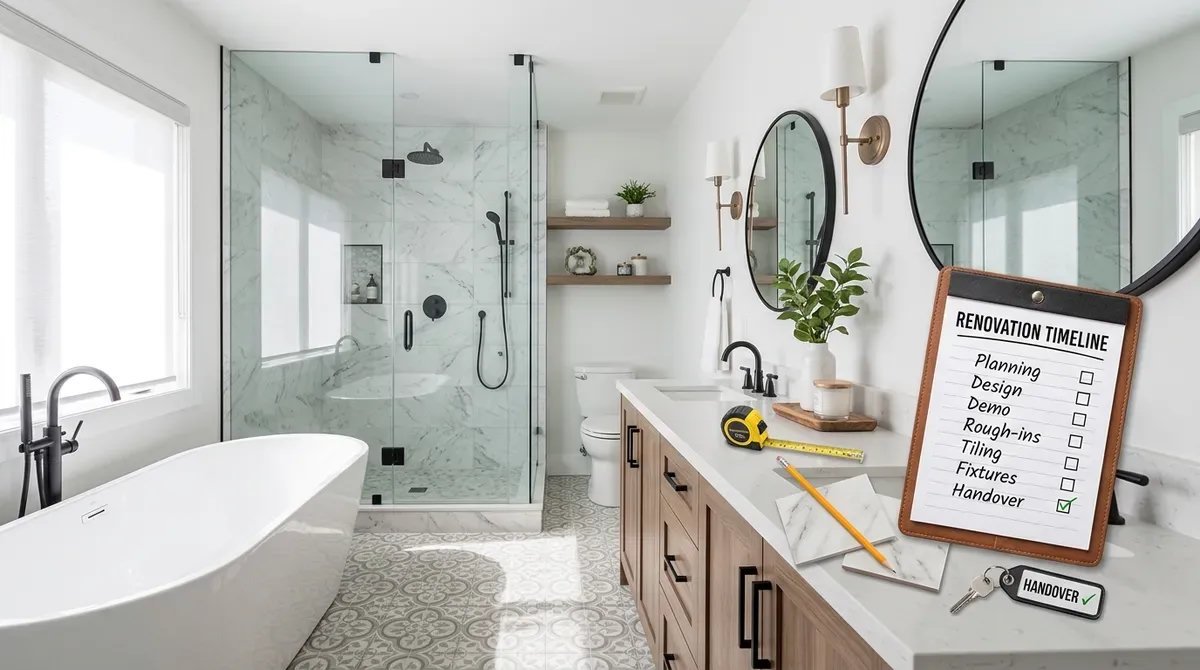
Renovating a bathroom is one of the most rewarding upgrades you can make to your home – but it can also be one of the most disruptive. At JD Pro Build, we regularly meet Sydney homeowners who tell us the same thing:
“If I’d known exactly how long each stage would take, I would have felt far less stressed about the whole renovation.”
This guide is written to change that.
We’ll walk you through the complete bathroom renovation timeline – from first ideas and permits to the final handover – so you know what to expect week by week. You’ll learn realistic timeframes, how to prepare your household, and what you can do to avoid common delays.
If you’re planning a bathroom renovation in Sydney or across NSW, this guide is based on JD Pro Build’s real on-site experience in local homes.
1. Bathroom Renovation Timeline at a Glance
For a standard full bathroom renovation in Sydney (not including major extensions), you can expect roughly:
- Planning, design, and approvals: 4–8 weeks
- On-site construction: 3–6 weeks
Custom designs, complex layouts, or high-end features such as intricate tiling and custom cabinetry tend to sit at the longer end of this range.
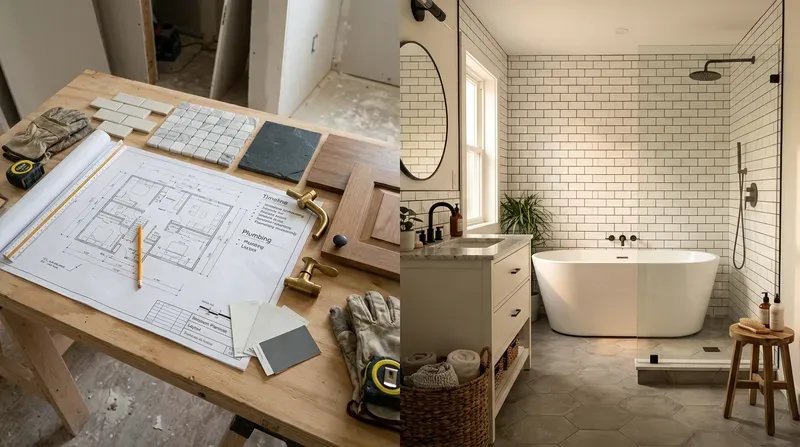
Typical Phase-by-Phase Duration
Below is a general guide to how long each major phase usually takes once work starts on site:
- Phase 1 – Pre-planning, design, and permitting: 4–8 weeks (often overlaps with quoting and contractor selection)
- Phase 2 – Demolition and structural preparation: 2–4 days
- Phase 3 – Plumbing, electrical, and HVAC rough-ins: 3–7 days (including inspections)
- Phase 4 – Drywall, waterproofing, and tiling: 7–14 days
- Phase 5 – Installation of furniture and fixtures: (3–7 days)
- Phase 6 – Painting, touch-ups, and final handover: 2–4 days
Timeframes can vary depending on your home’s structure, council or certifier requirements, and product availability. In the sections below, we’ll explain what happens at each step and what you can do to help keep things on track.
2. How Long Does a Full Bathroom Remodel Take?
Average Duration for Sydney Homes
Across our bathroom projects in Sydney, a typical full bathroom renovation (stripping back to studs and rebuilding) usually involves:
- 4–8 weeks of preparation: design, product selection, quoting, and obtaining approvals or certifications where required.
- 3–6 weeks of active construction on site: demolition through to final handover.
This aligns with international renovation data. For example, Houzz’s bathroom studies indicate that careful planning upfront significantly reduces cost overruns and delays.
As the National Kitchen & Bath Association (NKBA) notes: “Thorough planning before demolition is one of the strongest predictors of an on-time, on-budget bathroom renovation.”
What Affects Your Bathroom Renovation Timeline?
Several factors have a direct impact on how long your project takes:
- Scope of work: A simple cosmetic refresh (new tiles, vanity, and fixtures) is far quicker than reconfiguring layouts, moving walls, or changing plumbing locations.
- Structural changes: Moving or removing load-bearing walls, or enlarging windows and doors, adds engineering, approvals, and extra trade time.
- Custom materials: Custom vanities, stone benchtops, and speciality tiles come with longer lead times and can halt progress if they arrive late or damaged.
- Home age and condition: Older Sydney homes often hide issues like outdated wiring, asbestos, or water damage that must be fixed before work continues.
- Council and certification requirements: Some changes require more detailed plans and multiple inspections, which can extend the timeline.
Early in your planning, your builder should discuss these factors with you and give a realistic range, not just a best-case scenario.
3. Can You Stay in Your Home During a Bathroom Renovation?
Living Arrangements and Practical Tips
In most cases, yes – you can stay in your home during a bathroom renovation, especially if you have another working bathroom. However, it does require planning.
From our experience on sites across Sydney, homeowners are most comfortable when they:
- Have at least one other functional bathroom or a temporary solution for showers and toilets.
- Prepare for dust and noise: Even with protection and extraction, renovations create noise and fine dust.
- Create clear access routes: Protect hallways and floors with coverings to allow trades to move tools and materials safely.
- Set up a small temporary grooming or washing area: A laundry or spare room can double as a brushing teeth / basic washing station.
Open communication is crucial. Before work begins, we always map out with clients:
- Standard working hours
- Access points
- Parking and materials storage
- Any days where water or power will be temporarily shut off
This way, you can plan your family’s routine, work-from-home days, and any nights away during the noisiest periods.
4. The Standard Bathroom Renovation Workflow
A professional bathroom renovation follows a clear order of operations. Skipping or rushing any step usually leads to problems later.
Key Stages of the Renovation Process
Most full bathroom projects follow these predictable phases:
- Phase 1: Pre-planning, detailed design, and securing any required permits or certifications.
- Phase 2: Full demolition and structural preparation.
- Phase 3: Plumbing, electrical, and HVAC rough-ins, plus inspections.
- Phase 4: Drywall installation, waterproofing, and tiling.
- Phase 5: Cabinetry, benchtops, fixtures, and fittings.
- Phase 6: Painting, final finishes, and official handover.
In the next sections, we’ll explore what happens in each phase, how long it usually takes, and practical tips from JD Pro Build’s on-site experience.
5. Phase 1: Pre‑Planning, Design, and Approvals
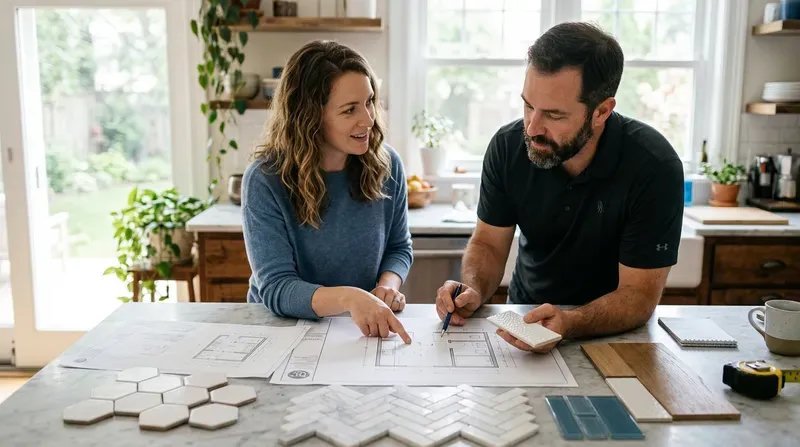
A smooth renovation starts long before demolition. This early phase is where you lock in the design, budget, and key decisions that will either streamline or complicate the rest of the project.
Defining Scope and Finalising Layout
The first step is to decide what you really want from your new bathroom.
Homeowners we work with in Sydney often start by asking themselves:
- Do we keep the same layout, or move the shower, bath, or toilet?
- Are we renovating a family bathroom, an ensuite, or a guest bathroom?
- Do we need improved accessibility, such as walk-in showers or grab rails?
- What storage and bench space do we need for daily use?
Once these questions are clear, your builder or designer can help you:
- Finalise the floor plan
- Choose a design style that suits your home (contemporary, coastal, classic, etc.)
- Identify any structural changes that may require an engineer’s input
Locking in the layout early helps avoid costly change orders once trades are already on site.
For more ideas at this stage, you may also like to read our guide on bathroom design considerations (for example: choosing between walk-in showers and bathtubs).
Lighting, Ventilation, and Natural Comfort
Good light and fresh air make a bigger difference than many homeowners expect.
In this design phase, think carefully about:
- Natural light: Can you enlarge an existing window, add a skylight, or change glazing to maintain privacy while brightening the space?
- Task lighting: Shaving, makeup, and grooming all need even, shadow-free light at the vanity.
- Ambient and accent lighting: Dimmable lights near a freestanding bath or shower niche can create a spa-like feel.
- Ventilation: A correctly sized, ducted exhaust fan is essential to control moisture and prevent mould.
Any changes to external walls, windows, or roof penetrations require additional planning and may affect approval time, so it’s best to finalise these decisions at the start.
Selecting and Ordering Materials
In recent years, long lead times for materials have become one of the biggest causes of renovation delays.
We strongly recommend ordering key items well before demolition begins, including:
- Vanities and cabinetry
- Benchtops (stone, engineered stone, or other custom surfaces)
- Tiles (floor, wall, and feature tiles)
- Tapware and shower fittings
- Bath, toilet, and basins
- Shower screens (especially custom-made screens)
Our process at JD Pro Build is to confirm and order all major selections early, and only schedule demolition once we have confirmed delivery dates. When possible, we check items as soon as they arrive to catch any damage or supplier errors quickly.
If you’d like more help with this step, consider a dedicated article on choosing bathroom tiles or comparing different vanity materials before you lock in your final selections.
Permits, Approvals, and Compliance
Depending on the scope of your renovation and your local council requirements, you may need:
- Building approvals or certifications for structural changes
- Compliance with current plumbing and electrical standards
- Waterproofing certificates from licensed installers
In Sydney, times for approvals can vary, but 2–4 weeks is a common window for straightforward projects.
Government and industry bodies consistently advise against unapproved building work, as it can cause issues with insurance, future sales, and safety compliance.
At JD Pro Build, we guide homeowners through which approvals are required for their specific project and ensure all work is carried out by appropriately licensed professionals.
6. Phases 2 & 3: Demolition, Structural Prep, and Rough‑Ins
Once planning is complete and materials are on their way, it’s time to start on-site work.
Safe Demolition and What We Often Discover
Demolition officially marks the start of your active construction timeline. A typical demolition for a standard bathroom takes 2–4 days, depending on access and complexity.
During this stage, trades will:
- Remove old fixtures, fittings, tiles, and cabinetry
- Strip out damaged or outdated wall linings and flooring
- Carefully dispose of waste in line with local regulations
This is also when hidden issues appear. In Sydney, we often uncover:
- Old water damage behind tiles
- Rotten subfloors or framing around showers and baths
- Outdated or unsafe wiring
- In older properties, materials that may require specialist handling
Because of this, we recommend allowing a contingency in both time and budget. Addressing these issues properly now prevents much larger problems later.
Structural Modifications and Preparation
With the bathroom stripped back, carpenters and builders move on to structural work, which may include:
- Framing new walls or adjusting existing ones
- Reinforcing floor joists for heavy baths or stone
- Rebuilding damaged or rotten framing
- Creating niches and ledges for showers or baths
- Ensuring the subfloor is flat and structurally sound for tiling
This stage usually takes a few days but is critical to the long-term performance of your new bathroom. Rushed or poor structural preparation almost always shows up later as cracked tiles, uneven floors, or door and screen alignment problems.
Plumbing, Electrical, and HVAC Rough‑Ins
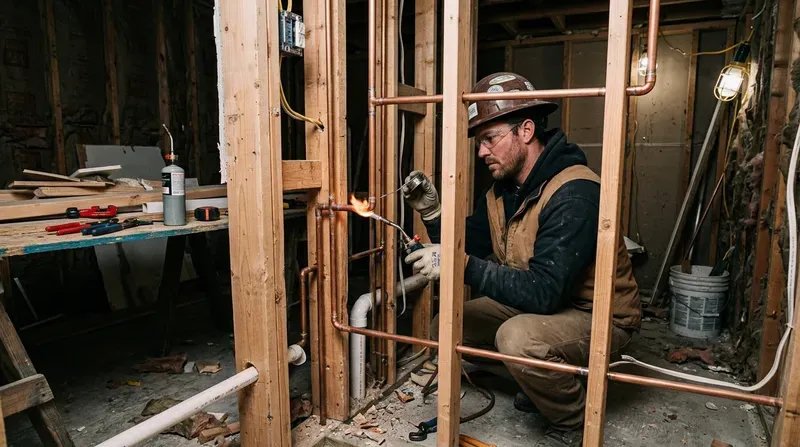
Once framing is complete, licensed trades carry out the rough‑ins – installing services that will be concealed behind walls and under floors.
Plumbers will typically:
- Move or adjust water supply and waste pipes
- Prepare floor wastes and shower drains
- Set up pipework for baths, showers, basins, and toilets
Electricians will typically:
- Run wiring for general and feature lighting
- Install circuits and cabling for exhaust fans and heated towel rails (if specified)
- Position and wire power points and switches to suit your layout
In modern bathrooms, good ventilation is non-negotiable for health and durability. Industry best practice is to ensure exhaust fans are correctly sized and ducted to the exterior, not just into the ceiling cavity.
After rough‑ins, mandatory inspections or certifications may be required before walls can be closed. It is essential not to skip this step.
The Importance of Inspections
Municipal or private inspections serve as a quality and safety checkpoint.
Inspectors verify that:
- Plumbing and drainage fall correctly and are properly supported
- Electrical work meets current safety standards
- Any structural changes comply with approved plans
If issues are found, they must be corrected and sometimes re-inspected. While this can feel like a delay, it protects your family’s safety and the value of your property.
7. Phase 4 – Drywall, Waterproofing, and Tiling (The Longest Stage)
In most bathroom renovations, Phase 4 is where the bulk of the time on site is spent. On average, expect 7–14 days, depending on the size and complexity of your space.
Installing Moisture‑Resistant Linings
Bathrooms deal with constant moisture and humidity, so standard plasterboard is usually not appropriate.
In this stage, trades will:
- Install moisture-resistant lining boards (such as cement sheet or water-resistant plasterboard) to walls and ceilings as specified
- Tape and set joints to create a smooth, stable surface for tiling and painting
Drying times between coats of joint compound or setting materials are essential. Rushing this can cause movement and cracking later.
Critical Waterproofing Work
Waterproofing is one of the most important parts of your renovation. A small failure in this stage can lead to leaks that damage framing, floors, and rooms below.
Typical steps include:
- Priming surfaces in wet areas
- Applying liquid or sheet waterproofing membranes to showers, around baths, and other specified areas
- Carefully detailing all corners, penetrations, and junctions
- Allowing the membrane to cure fully, often 24 hours or more, depending on the product
Industry guidelines require waterproofing to be carried out by qualified installers, with certificates provided to the homeowner. Some projects also include a flood test to confirm the shower base drains correctly without leaks.
Tiling and Grouting – Why It Takes Time
Homeowners often ask us: “Which stage takes the longest?” In a full bathroom renovation, tiling is almost always the answer.
The process generally involves:
- Planning tile layout to minimise small cuts and align with key features
- Applying tile adhesive and laying floor and wall tiles in sections
- Allowing adhesive to cure before grouting
- Grouting all joints and cleaning the surfaces
- Sealing grout or stone where required
Complex patterns, large-format tiles, or detailed feature walls add time but can create stunning results.
Grout and adhesives also require specific curing periods. Using the bathroom too early can lead to cracks, staining, or moisture problems. We always advise our clients exactly when it’s safe to walk on new floors or use the shower.
8. Phases 5 & 6 – Fixtures, Finishes, and Final Handover
Once tiling is complete, your bathroom rapidly transforms from a building site into a finished room.
Installing Cabinetry, Benchtops, and Fixtures
Carpenters and plumbers now return to install and connect visible components, such as:
- Vanities and storage cabinets
- Benchtops and basins
- Toilets, baths, and shower fittings
- Tapware, mixers, and wastes
Electricians install:
- Light fittings and exhaust fans
- Heated towel rails, mirrors with integrated lighting, and power points
This stage often takes 4–8 days, depending on the complexity of your fixtures and any onsite adjustments required.
Hardware, Styling, and Lighting Layers
The final choices can make a big impact on how your new bathroom feels day to day.
At this point, we typically install:
- Towel rails and hooks
- Toilet roll holders
- Robe hooks and storage accessories
- Mirrors and glass shelves
We also test lighting scenes to ensure you have:
- Bright, clear light at the vanity for morning routines
- Softer, dimmable light for relaxing baths or evening use
Small details – such as the position of a hook, or the swing of a shower door – are much easier to adjust now than after handover, so this is the time to speak up if something feels off.
Painting, Detailing, and Clean‑Up
With fixtures installed, painters and finishing trades complete the room.
This includes:
- Applying moisture-resistant paint to ceilings and walls
- Touching up trims, skirtings, and doors
- Making any necessary caulking or silicone adjustments
- Removing protective coverings and cleaning all surfaces
At JD Pro Build, we treat this stage as the “polishing” of your project. A thorough clean and careful detailing make the difference between a good renovation and an excellent one.
Punch List and Handover
Before you officially sign off, your builder should walk through the bathroom with you.
Together, you’ll create a punch list noting any small items that need attention, such as:
- Minor paint touch-ups
- Adjustments to doors, drawers, or shower screens
- Replacing any scratched or damaged fittings
Once these items are completed and you’re satisfied, the project is formally handed over to you, along with relevant documentation such as:
- Waterproofing certificates
- Electrical and plumbing compliance paperwork
- Warranty information for major fixtures
We always encourage clients to keep this documentation safe, as it can be valuable for future maintenance, insurance, or when selling the property.
9. Common Causes of Bathroom Renovation Delays (and How to Avoid Them)
Even with careful planning, some bathroom renovations take longer than expected. Understanding why this happens helps you plan a realistic schedule and reduce stress.
Material Backorders and Late Deliveries
Supply chain issues have become a common cause of delays in recent years.
Delays often occur when:
- Custom vanities or benchtops are ordered late
- Speciality tiles or imported products are out of stock
- Shower screens or mirrors arrive damaged and must be remade
To minimise this risk, we recommend:
- Finalising your selections as early as possible
- Choosing alternatives in case your first choice is heavily backordered
- Confirming delivery dates before booking demolition
At JD Pro Build, we rarely start demolition until we know critical items are either on site or confirmed and scheduled with suppliers.
Hidden Damage Behind Walls and Under Floors
Opening up an old bathroom can reveal problems no one could see at the quoting stage, such as:
- Hidden leaks that have caused rot or mould
- Poorly installed past renovations
- Old or unsafe wiring
These issues must be fixed before work can continue safely. While this adds time and cost in the short term, it’s essential for the long-term health and value of your home.
We advise our clients to allow a time and budget contingency, often around 10–15%, for unexpected repairs.
Real‑World Example – Planned vs Actual Timeline
Here’s a simplified example from a recent primary bathroom renovation in a Sydney suburb:
- Demolition – Planned: 2 days; Actual: 4 days due to extensive hidden water damage.
- Rough‑ins – Planned: 3 days; Actual: 5 days, allowing for additional plumbing repairs and inspection scheduling.
- Tiling – Planned: 7 days; Actual: 7 days (on track).
- Finishes – Planned: 4 days; Actual: 8 days due to a shattered custom mirror needing replacement.
The project ended one week later than initially estimated, but the damage was fully repaired and the final finish met the homeowner’s expectations. By allowing some flexibility in their schedule, the clients avoided significant stress.
Trade Scheduling and Coordination
A bathroom renovation typically involves multiple specialists: Demolition crew, Carpenters, Plumbers, Electricians, Waterproofers, Tilers, Painters and finishing trades.
If one trade runs late, the next often can’t start, leading to idle days on site. This is why working with an experienced builder who manages the schedule and communicates clearly is so important.
At JD Pro Build, we:
- Sequence trades carefully to minimise gaps
- Build in realistic buffers between dependent tasks
- Keep you updated when timelines shift
This collaborative approach helps keep your project moving and avoids the feeling that “nothing is happening” for days at a time.
10. Safety, Compliance, and Protecting Your Investment
Why Licensed Professionals Matter
Bathroom renovations combine water, electricity, and structural work – areas where mistakes can be dangerous and costly.
For your safety and peace of mind, key tasks should always be carried out by licensed professionals, including:
- Structural changes and framing
- Plumbing and drainage
- Electrical installations and upgrades
- Waterproofing in wet areas
Unlicensed or unapproved work can lead to:
- Safety hazards for you and your family
- Difficulties when selling your home in the future
We recommend asking your builder to explain who will be performing each type of work and to provide the relevant certifications at handover.
Managing Budget and Avoiding Costly Mistakes
A bathroom renovation is a significant investment for most households. While every project is different, some general principles can help you manage your budget:
- Be clear about your must-haves versus nice-to-haves before you start.
- Avoid last-minute layout changes during construction – they are almost always more expensive at that stage.
- Keep a realistic contingency for unexpected repairs.
- Focus your budget on areas that are hard to change later, such as waterproofing, plumbing layout, and good ventilation.
Thoughtful planning and transparent communication with your builder are the best ways to reduce financial surprises.
11. Frequently Asked Questions About Bathroom Renovation Timelines
How Long Does a Small Bathroom Renovation Take?
A small bathroom or ensuite with a similar layout to the original and no major structural changes can sometimes be completed on site in around 2–3 weeks, provided materials and trades are well coordinated. Planning and approvals may still add several weeks before work begins.
Is 2 Weeks Enough for a Full Bathroom Remodel?
Two weeks can be enough for a very straightforward project with minimal changes and excellent scheduling, but for a full strip-out and rebuild we recommend allowing at least 3–4 weeks of on-site work to ensure proper drying, curing, and inspections.
How Can I Help Keep My Bathroom Renovation on Schedule?
From the homeowner’s side, you can support the timeline by:
- Finalising your design and selections before demolition
- Approving quotes and variations promptly
- Keeping access routes clear for trades and deliveries
- Staying flexible if inspections or unexpected repairs slightly shift the schedule
What Should I Do If My Bathroom Renovation Is Delayed?
If delays occur, ask your builder to:
- Explain the reason for the delay (materials, inspections, trade availability, or hidden issues)
- Provide a revised schedule with new target dates
- Outline what is being done to prevent similar delays in future stages
Regular, honest communication helps everyone stay aligned and reduces frustration
12. About JD Pro Build – Your Bathroom Renovation Partner in Sydney
JD Pro Build is a Sydney-based building company specialising in bathroom renovations and residential projects across a range of suburbs
Over the years, we’ve successfully delivered many bathroom renovations in family homes, apartments, and townhouses. The timelines and examples in this guide are drawn from our actual projects and day-to-day work with local homeowners.
When you work with JD Pro Build, you can expect:
- Clear explanations of each renovation stage and what it means for your home
- Transparent scheduling and communication
- A focus on safety, compliance, and quality workmanship
- Practical advice on design and material choices tailored to how you live
If you’re planning a bathroom renovation in Sydney and would like support from the early planning stages through to handover, our team is here to help.
13. Ready to Plan Your Bathroom Renovation Timeline?
Understanding the full bathroom renovation timeline – from planning and permits through to tiling and handover – gives you control over the process. It helps you:
- Set realistic expectations for your household
- Make informed decisions about scope and budget
- Prepare for key milestones and inspections
- Reduce stress by knowing what’s coming next
To stay organised, many of our clients like to use a written checklist and week-by-week plan. A detailed checklist can include tasks such as product selection, approvals, demolition preparation, and final inspections.
If you’re ready to take the next step, you can:
- Start mapping your own timeline based on the phases in this guide.
- Explore more detailed articles on related topics, such as bathroom design choices, budgeting, or tile selection.
- Get in touch with JD Pro Build for a personalised consultation and renovation plan tailored to your Sydney home.
With the right preparation and a clear, realistic schedule, your bathroom renovation can be an exciting transformation rather than a stressful disruption.