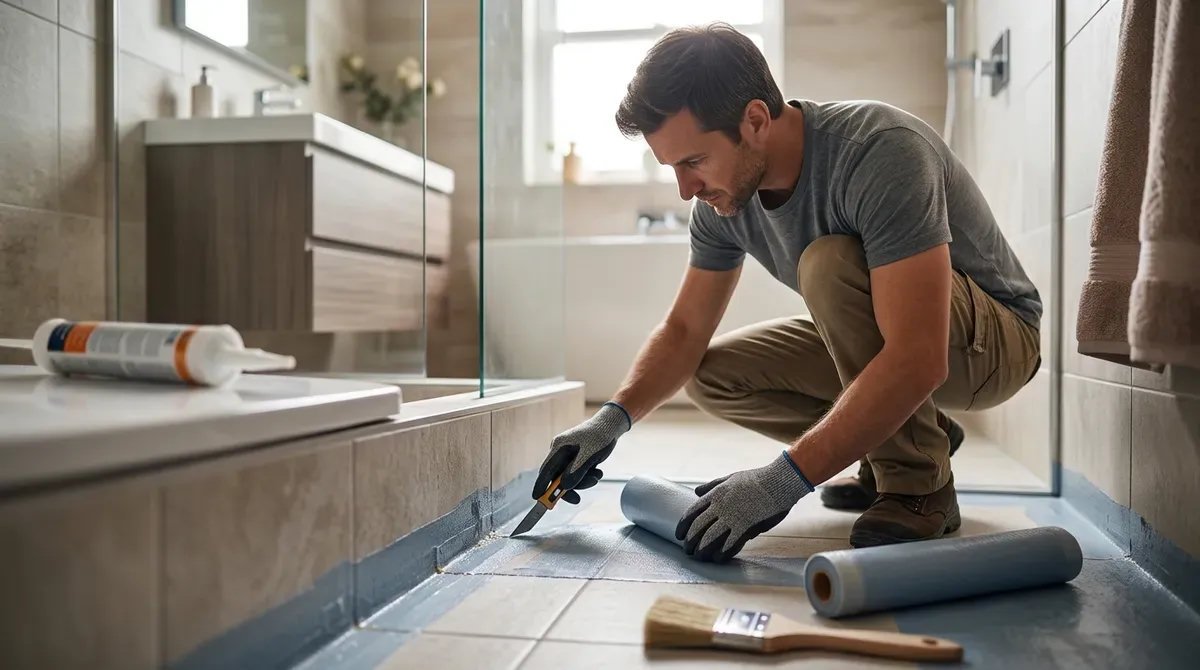
The bathroom is one of the most vulnerable areas in your home when it comes to water damage. Just a few small mistakes in waterproofing can lead to leaks, mould, structural issues, and very expensive repairs. Here in Sydney, we often see homeowners forced to rip out and rebuild entire bathrooms because the waterproofing was not done properly from the start.
In this article, JD PRO BUILD – a bathroom renovation and waterproofing specialist in Sydney – will share the most common waterproofing mistakes, how to spot early warning signs, and most importantly, how to avoid repeating these costly errors.
What Is Bathroom Waterproofing and Why It Matters in Australia
Bathroom waterproofing is the process of creating a protective, water-resistant barrier in wet areas such as bathroom floors, shower walls, niches, and around bathtubs. In Australia, especially in Sydney, proper bathroom waterproofing is not just about appearance – it is a mandatory requirement under current building standards.
According to AS 3740 – Waterproofing of Domestic Wet Areas, wet areas in a home must be treated with the correct system, materials, and application method by trained professionals to prevent leaks, structural damage, and health risks caused by mould.
“Waterproofing is one of the most critical yet underestimated stages of a bathroom renovation. When it fails, everything built on top of it fails too.” – JD PRO BUILD, Bathroom Renovation & Waterproofing Specialist in Sydney
From our real-world experience, we can say this: beautiful tiles, premium fixtures, and a modern design all become meaningless if the waterproofing layer underneath is not done properly.
Most Common Bathroom Waterproofing Mistakes Homeowners Make
After repairing and renovating hundreds of bathrooms across Sydney, we’ve noticed the same issues appearing again and again. Below are the most common mistakes you should avoid.
Incorrect Surface Preparation
One of the biggest reasons waterproofing fails is poor surface preparation. Waterproofing is not just about rolling a membrane over a wall or floor and tiling straight over it.
Common problems include:
- Dust, dirt, grease, or loose material left on the surface.
- Cracks in the substrate not repaired before the membrane is applied.
- Using the wrong type of primer – or no primer at all – for different surfaces (concrete, fibre cement sheeting, existing tiles, etc.).
In many repair projects we take on, the membrane is barely bonded to the substrate – you can peel off large sections by hand. The main reason is almost always poor surface preparation.
Using the Wrong Waterproofing Membrane
Not all waterproofing membranes are the same. Choosing the wrong product, or using it in the wrong area, can cause your bathroom to deteriorate much faster than expected.
Typical mistakes include:
- Using a membrane that is only suitable for damp areas, not for fully wet areas such as a shower recess.
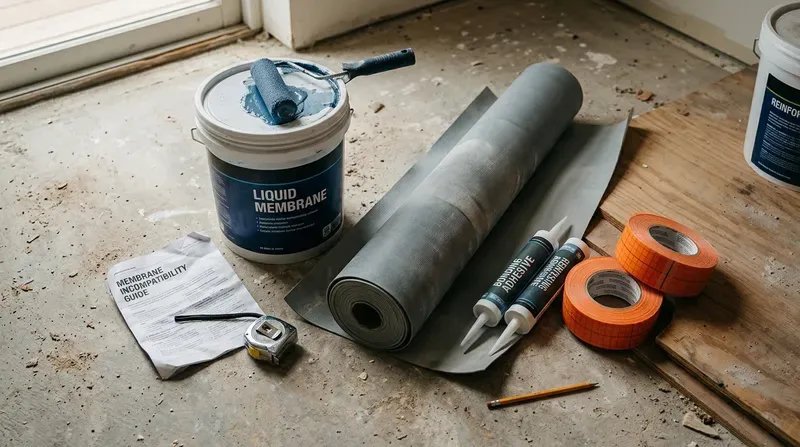
- Mixing and matching products from different systems that are not designed to work together (for example, primer from one brand, membrane from another, and completely different tile adhesives).
- Using paint or coatings that only offer light damp resistance and assuming they provide full waterproofing.
We always recommend using liquid membranes or sheet membranes that meet Australian standards, with documented approvals for wet areas, and applying them exactly as the manufacturer specifies.
Skipping Waterproofing in Critical Areas
Many homeowners – and even inexperienced trades – focus on the floor and forget about other critical areas, which then become the weak points where leaks start.
Commonly overlooked areas include:
- Junctions between floors and walls.
- Wall niches used for shampoo and soap in the shower.
- Penetrations around pipes, floor wastes, and other fittings.
- Bathtub edges where the tub sits tight against the wall but is not properly detailed.
According to best practice guidelines from many major membrane manufacturers in Australia, all corners, joints, and penetrations should be treated with bond breakers or corner tapes before the membrane is applied.
In reality, over 50% of the leaking showers we repair in Sydney are caused by incomplete or poor waterproofing at these exact points.
Poor Drain and Slope Design
Even the best waterproofing can be undermined by incorrect falls to the floor waste. If the slope is wrong, water will sit on the surface and slowly cause damage.
Frequent design problems include:
- Almost flat floors, so water does not run to the floor waste and instead sits around the shower area.
- Uneven falls creating “ponding” areas where water collects in little pools.
- Poor floor waste placement – too far from the shower, blocked by steps or lips, or set too high or low.
In many bathrooms we’ve repaired, once we lift the tiles, we find standing water trapped in the screed, slowly breaking down the adhesive, grout, and even the membrane over time.
Relying on Paint or Grout as Waterproofing
A very dangerous misconception is thinking that:
- One or two coats of general “waterproof paint” on the surface is enough.
- Or believing: “Tiles don’t absorb water, so good grout is all I need.”
In reality, tiles and grout are not considered the primary waterproofing layer. They are a decorative and protective finish only. Water can still find its way through hairline gaps, cracks, and aged grout.
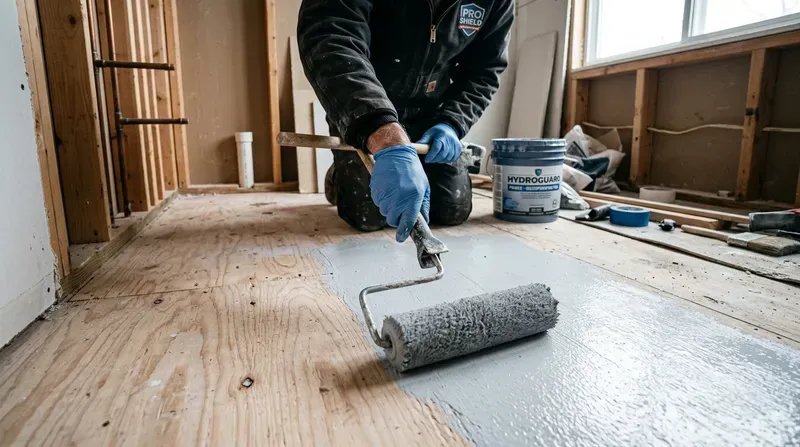
Proper waterproofing relies on a continuous membrane beneath the tiles, applied at the right thickness, in the right number of coats, and extending over all the areas defined in the standards.
DIY Waterproofing without Licensed Professionals
It’s completely understandable to handle some DIY tasks in your bathroom, but when it comes to waterproofing, we strongly recommend thinking carefully.
Common risks with DIY waterproofing include:
- Not understanding the requirements of AS 3740 and the National Construction Code (NCC).
- Not knowing which membrane is suitable for walls, floors, shower recesses, balconies, and other wet areas, leading to product misuse.
- Skipping critical steps such as using bond breakers, applying enough coats, allowing proper drying times, and detailing corners and penetrations correctly.
At JD PRO BUILD, we are often called in when DIY bathrooms start leaking after just 1–2 years of use. By that point, the cost of repair is much higher than if professional waterproofing had been done at the very beginning.
“The cheapest option at the start is rarely the cheapest in the long run – especially when it comes to waterproofing.” – JD PRO BUILD
If you are considering DIY, make sure you also read detailed resources on the risks of DIY bathroom renovations and waterproofing so you can see the full picture before you decide.
Consequences of Bathroom Waterproofing Failures
When bathroom waterproofing is not done properly, the consequences go far beyond a few stains on the ceiling or peeling paint. In Sydney, we have seen many cases where the total damage far exceeds the original cost of doing the job correctly.
Hidden Water Damage and Structural Issues
Over time, leaks can spread moisture into:
- The screed, adhesive, and bedding mortar under the tiles.
- Walls, ceilings, timber frames, and steel members.
- Floors and ceilings of lower levels in multi-storey homes and apartments.
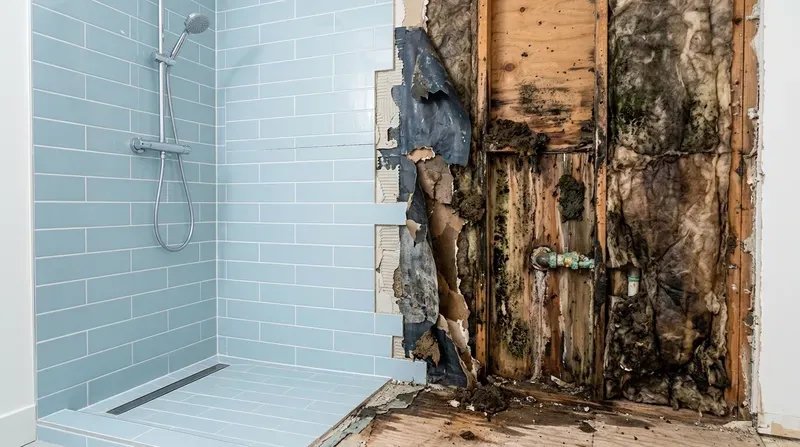
You may not see water actively dripping, but signs such as bubbling paint, swollen skirting boards, warped flooring, or stains on the ceiling below often mean water has already travelled deep into the structure. Fixing it at that stage may require removing large sections of tiles, wall linings, and framing.
Mould Growth and Health Risks
Damp areas with poor ventilation are the perfect environment for mould and mildew. Beyond looking unsightly, mould can significantly impact health, especially for:
- People with asthma or existing respiratory issues.
- Children and the elderly.
- Anyone sensitive or allergic to mould spores.
From a health perspective, any ongoing signs of mould around or near your bathroom should be taken seriously and dealt with properly – not just covered with paint or surface cleaners.
Costly Repairs and Insurance Problems
Most homeowners who contact us after a waterproofing failure agree on one thing: the repair bill is far higher than the original waterproofing cost would have been.
Expenses can include:
- Demolishing tiles, bedding, and the failed membrane.
- Repairing or replacing damaged structural elements such as floor sheeting, framing, or ceilings below.
- Re-installing a complete waterproofing system and retiling the bathroom.
In some cases, home insurance may decline to cover the damage if it is found that the waterproofing was not done to standard, was completed by unlicensed trades, or was an incorrect DIY job. This is one of the main reasons why choosing an experienced, licensed contractor is so important.
How to Avoid Waterproofing Mistakes in Your Bathroom
The good news is that most common waterproofing mistakes can be avoided with careful planning and by working with the right professionals.
Follow Australian Standards (AS 3740)
The first step is to make sure all waterproofing work is designed and installed in line with AS 3740 and the relevant sections of the National Construction Code.
This includes:
- Correctly identifying all wet areas that require waterproofing (floors, walls, shower recesses, around baths, and other wet zones).
- Applying the membrane at the correct thickness, with the right number of coats and correct heights on walls and hob.
- Using products that have been tested and approved for use in Australian wet areas.
At JD PRO BUILD, we follow these standards on every project, from small bathroom upgrades to high-end renovations.
Use High-Quality Waterproofing Products
The most expensive product is not always the best, but very cheap, low‑quality products are often the source of major problems.
When choosing materials, pay attention to:
- Reputable brands with clear technical data sheets and installation guides.
- Products that are certified or approved for wet area waterproofing in Australia.
- Complete, compatible systems (primer, membrane, tile adhesive, grout) that are designed to work together.
On our projects, we prefer to use complete systems recommended by the manufacturer. This helps maximise durability and reduce the risk of failures caused by incompatible products.
Hire Licensed Bathroom Waterproofing Specialists in Sydney
This is one of the most important decisions if you want a durable, low‑maintenance bathroom.
Working with a specialist means you:
- Receive proper advice about design, materials, and waterproofing methods suitable for your home.
- Can be confident the work follows AS 3740 and NCC requirements.
- Have clear warranties and someone to turn to if issues arise.
JD PRO BUILD is a Sydney-based bathroom renovation and waterproofing company with years of experience working on houses, apartments, townhouses, and units across Greater Sydney. We understand local building types, climate conditions, and the typical waterproofing failures seen in Sydney homes – and how to prevent them from day one.
Schedule Proper Inspections and Compliance Certificates
Once waterproofing is installed, inspection and sign‑off are critical steps that should not be skipped.
You should:
- Visually inspect the entire waterproofed area before tiling starts.
- Check that no corners, junctions, or wall sections have been missed and that the membrane looks continuous.
- Request documentation or certificates for the waterproofing work where applicable, along with product details and installation information.
Keeping good records will help if you ever need to make a warranty claim, lodge an insurance claim, or provide documentation when selling your property.
“Good waterproofing work is invisible when done right – and painfully obvious when done wrong.”
– JD PRO BUILD
Signs Your Bathroom Waterproofing May Be Failing
Catching early warning signs can save you a lot of time, stress, and money.
Visual and Smell Indicators
Pay attention if you notice:
- Water stains or peeling/bubbling paint on ceilings or walls near the bathroom.
- Tiles that are cracked, drummy, or grout lines that keep discolouring and deteriorating.
- Timber or laminate flooring near the bathroom that is warping, swelling, or changing colour.
- A persistent musty or damp smell that doesn’t go away with regular cleaning.
Moisture in Adjacent Rooms
In multi-storey homes and apartments, signs of leaks often show up in rooms or ceilings below the bathroom.
Some common symptoms we see in Sydney homes include:
- Yellow or brown water stains on the ceiling beneath the bathroom.
- Walls adjoining the bathroom with bubbling paint or soft plaster.
- Water appearing in unexpected places after showers, with no visible plumbing leak.
If you notice any of these, it’s wise to call a specialist in leaking shower repairs or bathroom waterproofing to investigate before damage worsens.
When to Call a Professional Bathroom Waterproofing Contractor
You won’t always need a full bathroom rebuild. However, there are certain situations where bringing in a professional is almost essential.
Before a Full Bathroom Renovation
If you’re planning a full bathroom renovation, this is the best time to:
- Assess the existing waterproofing and structural condition.
- Redesign floor falls, waste locations, shower layout, and niches for better function.
- Select suitable waterproofing systems, tiles, and fixtures for your space.
Doing things properly at this stage will help you avoid the majority of leak issues in the years ahead.
When You Notice Persistent Leaks or Dampness
If you’ve tried surface fixes but damp patches, stains, or musty smells keep returning, the problem is likely with the waterproofing layer beneath your tiles.
In many of the projects we handle, homeowners have already repainted ceilings, replaced individual tiles, or regrouted the shower multiple times – without solving the issue. Only when we open up the structure do we find that the membrane itself has failed or was never installed correctly.
Why Choose JD PRO BUILD for Bathroom Waterproofing in Sydney
As both a bathroom renovation contractor and waterproofing specialist, JD PRO BUILD is focused on getting the fundamentals right from the start so you can enjoy a safe, durable bathroom.
Real Experience from Sydney Projects
Over many years working in Sydney, we have:
- Repaired hundreds of leaking bathrooms in houses, apartments, townhouses, and older units.
- Installed new waterproofing systems for renovation projects ranging from compact bathrooms to high‑end upgrades.
- Helped homeowners deal with building managers and insurers when waterproofing issues led to disputes or claims.
The consistent lesson from our work: bathrooms that are waterproofed properly and to standard seldom suffer major failures for many years.
Our Approach to Quality and Compliance
Every bathroom waterproofing project at JD PRO BUILD follows a clear, quality‑driven process:
- Thorough initial inspection and honest assessment of your bathroom’s condition.
- Selection of high‑quality, compatible products suited to your building type and usage.
- Installation in line with AS 3740, NCC, and good trade practice.
- Practical guidance for homeowners on how to use, clean, and maintain the bathroom to protect the waterproofing over time.
We believe transparency, responsibility, and a commitment to quality are the foundation of long‑term trust with our clients.
FAQs About Bathroom Waterproofing in Sydney
How do I know if my bathroom waterproofing has failed?
Some of the most common signs include:
- Water stains or paint damage on ceilings or walls near the bathroom.
- Persistent musty smells even after regular cleaning
- Cracked or loose tiles, or grout that quickly discolours and breaks down.
- Water marks or damp patches on the ceiling below the bathroom.
If you notice one or more of these symptoms, contact a waterproofing or leaking shower specialist as soon as possible.
Can I waterproof my bathroom myself in Australia?
In theory, you can buy waterproofing products and apply them yourself. However, from our experience in Sydney, most DIY bathroom waterproofing attempts eventually run into problems if the person does not fully understand the standards and process.
For key wet areas – especially showers – incorrect waterproofing can cause serious leaks, expensive repairs, and potential insurance complications. We strongly recommend at least consulting with a licensed professional before deciding to do it yourself.
How long should bathroom waterproofing last?
When the right products are used and installed correctly, bathroom waterproofing can last for many years. Actual lifespan depends on:
- The quality of materials and workmanship.
- How often the bathroom is used and how well it is ventilated.
- Ongoing maintenance and how quickly any early signs of issues are addressed.
At JD PRO BUILD, we always aim to provide long‑lasting solutions that match your home and the way your family uses the bathroom.
Do I need a certificate for bathroom waterproofing in Sydney?
In many cases – especially for new builds, major renovations, or strata properties – you may be required to have documentation confirming that waterproofing has been completed correctly.
Having proper records for your waterproofing work will help you:
- Deal with insurance claims if leaks occur later.
- Provide reassurance to buyers or tenants when selling or leasing the property.
- Feel confident about the quality and compliance of your bathroom.
Work with a Trusted Bathroom Waterproofing Specialist in Sydney
Bathroom waterproofing is the foundation of a long‑lasting, safe, and healthy bathroom. Small mistakes at this stage can lead to major issues later – from mould and structural damage to expensive repairs.
JD PRO BUILD is ready to support you through every stage of your bathroom renovation and waterproofing project in Sydney. With practical experience, knowledge of Australian standards, and a strong commitment to quality, we help you:
- Avoid the most common waterproofing mistakes.
- Design and build a bathroom that is beautiful, functional, and durable.
- Protect your home and your investment for the long term.
If you are planning a bathroom renovation, suspect a leak, or simply want professional advice on the best waterproofing solution for your Sydney home, get in touch with JD PRO BUILD for clear, personalised guidance.