Planning a bathroom renovation in Sydney this year? The right design decisions can make your space feel bigger, more comfortable, and more luxurious – while also protecting your home from moisture issues and adding long-term value.
As a Sydney-based renovation company, JD PRO BUILD has helped many homeowners transform dated, hard-to-clean bathrooms into practical, beautiful spaces that work for real life. This guide shares the bathroom design trends we’re seeing most often in Sydney right now – and, more importantly, how to decide which ones are right for your home, budget, and lifestyle.
“Trends are useful for inspiration, but good bathroom design in Sydney always starts with function, waterproofing, and smart material choices that can handle our humid coastal climate.”
— JD PRO BUILD
1. Why Sydney Bathrooms Need a Different Design Approach
Bathrooms in Sydney face a unique set of challenges:
- High humidity and coastal air can cause mould, peeling paint, and corrosion if materials are not chosen carefully.
- Many homes are older terraces or compact apartments with small, awkwardly shaped bathrooms.
- Strata rules in apartment buildings can limit what you can change, especially with plumbing and waterproofing.
- Labour and material costs are generally higher than the national average, so planning and prioritising is essential.
Because of this, the most successful bathroom designs in Sydney focus on:
- Long-term durability and easy maintenance
- Smart use of every centimetre of space
- Good ventilation and waterproofing
- Fixtures and finishes that suit the way you actually live – not just what looks good in photos
Top Bathroom Design Trends in Sydney in 2026
Below are the trends we see most often in current Sydney bathroom projects, along with practical advice about when they make sense – and when they might not.
Warm Neutrals Replacing Cold All‑White Bathrooms
The sterile, bright-white bathroom is fading in popularity. Instead, Sydney homeowners are choosing warm neutrals that feel calm and inviting while still looking clean and modern.
Common colour choices include:
- Soft beiges and greiges
- Clay and sand tones
- Warm off-whites instead of stark white
These colours are especially helpful in small or south-facing Sydney bathrooms, where cooler tones can feel harsh and unforgiving.
How to use this in a Sydney home:
- Choose warm off-white or light taupe wall tiles rather than pure white gloss.
- Use slightly darker floor tiles (latte, sand, or light stone tones) to hide dirt, water spots, and hair.
- Combine 2–3 warm neutrals instead of one flat colour – for example, light walls, mid-tone floor and a slightly deeper timber vanity.
At JD PRO BUILD, we often recommend warm neutrals for family bathrooms because they continue to look good even when life gets busy and cleaning isn’t perfect.
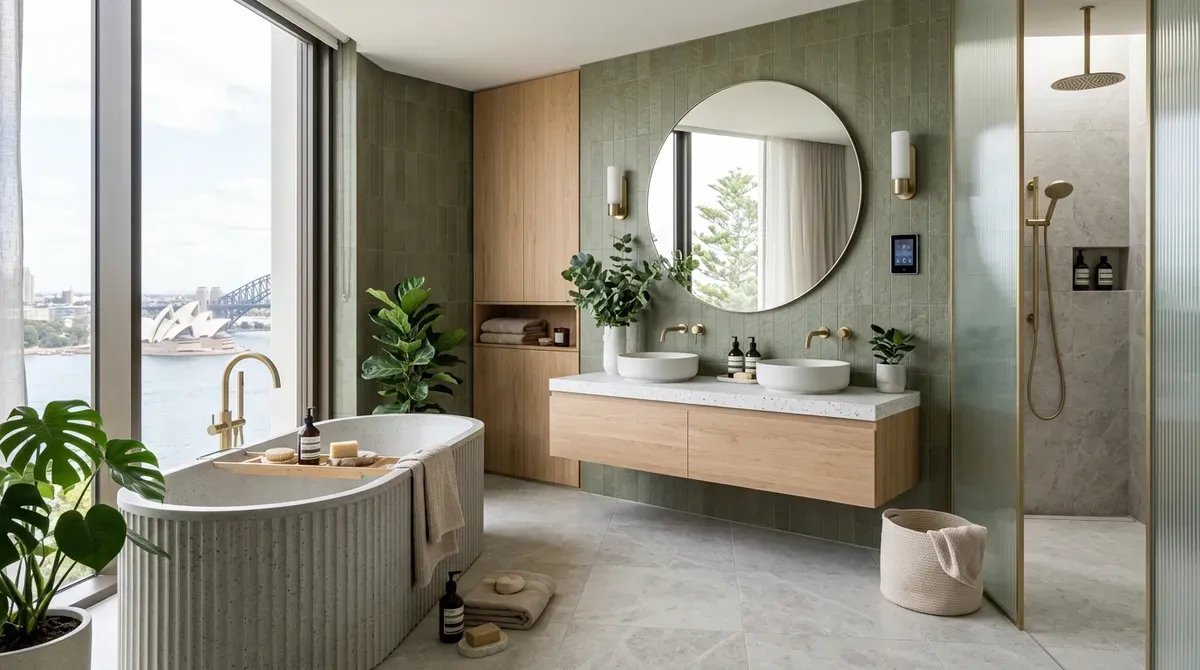
Natural Stone Looks and Textured Tiles
Texture is a major trend in Sydney bathrooms this year. Rather than high-gloss everywhere, homeowners are choosing honed and matt finishes that feel softer and more luxurious.
Popular options include:
- Porcelain tiles that mimic travertine, limestone or marble
- Large-format tiles with subtle veining
- Fluted feature tiles for vanity walls or niches
- Textured floor tiles for better slip-resistance in wet areas
How to use this in a Sydney home:
- Make one main “hero” surface – such as a fluted tile vanity wall or a stone-look shower wall – and keep the other surfaces quieter.
- Use matt or honed tiles on the floor to reduce glare and slipperiness.
- Be careful with heavily textured tiles on the floor if cleaning is a concern; sometimes a light texture is more practical.
“In many Sydney homes, we use stone-look porcelain instead of real stone. It gives clients the look they want with far less maintenance, which is important in busy households.”
— JD PRO BUILD
Timber Vanities and Furniture‑Style Storage
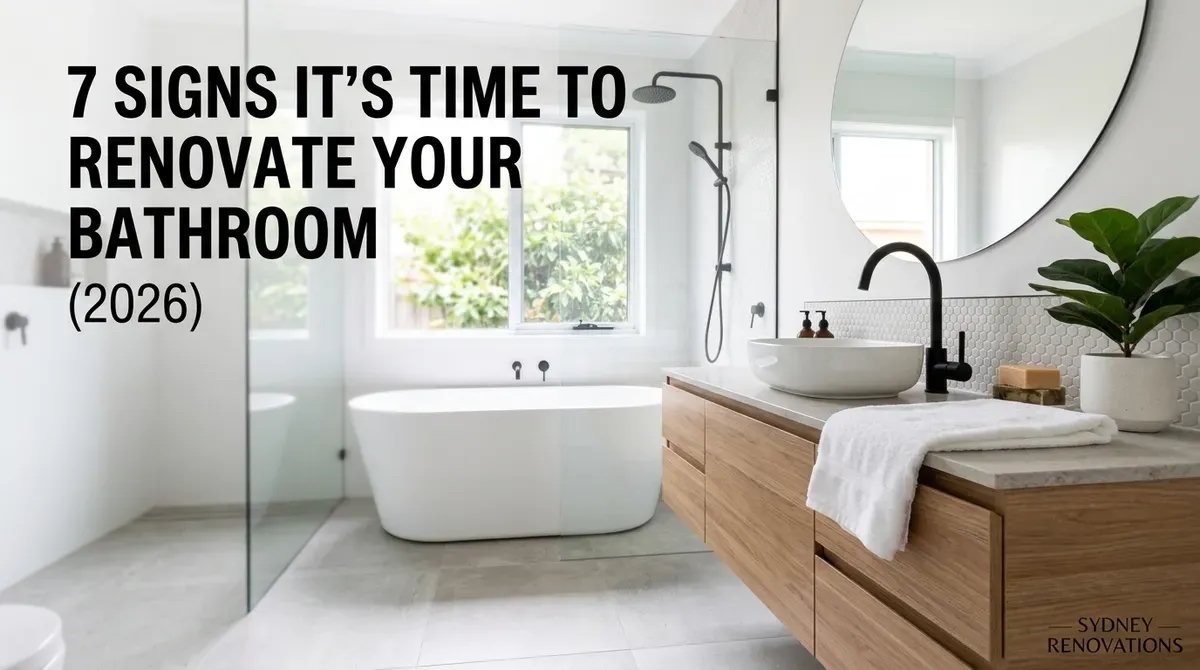
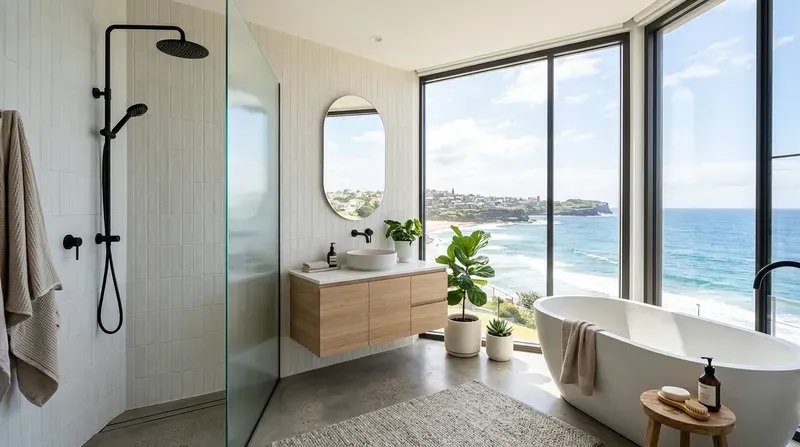
Timber and timber-look vanities are one of the strongest bathroom trends in Sydney right now. They add warmth and softness, especially in otherwise neutral bathrooms.
We see a lot of:
- Wall-hung timber vanities that visually open up tight spaces
- Fluted or ribbed cabinet fronts
- Finger-pull or integrated handles for a clean, modern appearance
How to use this in a Sydney home:
- Choose moisture-resistant veneer or high-quality timber-look laminate, especially in bathrooms with limited ventilation.
- Opt for drawers instead of cupboards where possible – they are easier to organise and access in narrow Sydney bathrooms.
- If space allows, add a tall storage cabinet or open shelves in the same finish as the vanity to create a cohesive “furniture” look.
In older terraces with small, long bathrooms, JD PRO BUILD often designs custom, slim-depth vanities to keep circulation comfortable while still providing enough storage.
Spa‑Like Walk‑In Showers and Wet‑Room Layouts
Many Sydney homeowners are choosing to remove rarely used built-in baths to create larger walk-in showers or modern wet-room layouts. These designs can make a compact bathroom feel more open and luxurious.
Common features include:
- Frameless or minimal-frame glass panels
- Linear floor drains
- Gently sloped floors instead of high shower bases
- Built-in niches and benches
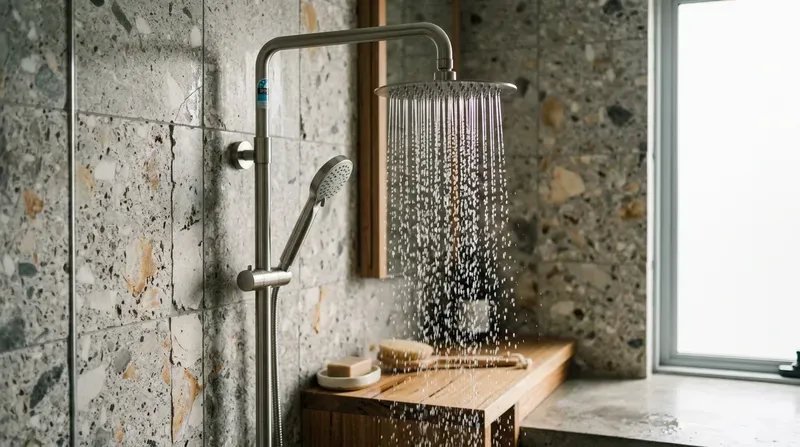
- Dual shower heads (rain plus handheld)
When this works well in Sydney:
- In apartments where you want easier access and a more open feel
- In family homes where a separate bath exists elsewhere
- In bathrooms where maintaining a glass shower door has become difficult or annoying
What to watch out for:
- Wet-room layouts demand excellent waterproofing and correct falls to the drain. This is critical in Sydney apartments and older homes, where water leaks can cause expensive damage.
“One of the most common issues we’re called in to fix in Sydney is failed waterproofing from older bathroom renovations. When planning a walk-in shower or wet-room, we always start with the substrate and drainage before discussing tiles and tapware.”
— JD PRO BUILD
Softer Brushed Metallic Finishes
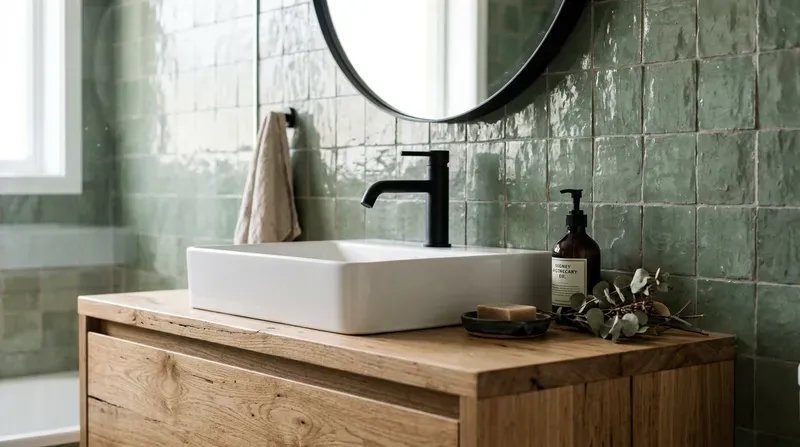
Sharp matte-black tapware is no longer the only option. In 2026, Sydney bathrooms are increasingly leaning towards softer metallic finishes, such as:
- Brushed nickel
- Brushed brass or champagne
- Brushed stainless steel
These finishes feel more forgiving and timeless, and they tend to show fewer fingerprints and water spots.
How to use this in a Sydney home:
- Stick to one main metal finish for tapware, shower hardware, towel rails and handles.
- Choose brushed finishes over high-polish if you are concerned about cleaning.
- In coastal suburbs, ask suppliers about corrosion resistance, especially if your bathroom has open windows.
When renovating homes near the coast, JD PRO BUILD often recommends higher-grade fittings to better handle salty air and humidity.
Smart and Sustainable Fixtures
Rising utility costs in Sydney have made water- and energy-efficient fixtures more important than ever. The good news is that modern products are both practical and stylish.
Popular choices include:
- WELS-rated low-flow taps and showers that still feel comfortable
- Rimless toilets that are easier to clean
- LED lighting with dimmers or motion sensors
- Underfloor heating for south-facing or colder rooms
- Demister mirrors for fog-free use after hot showers
How to use this in a Sydney home:
- Choose tapware and showers with good WELS ratings to manage water usage.
- Consider LED strip lights under the vanity and in niches for a soft, hotel-style feel.
- In chillier parts of Sydney or bathrooms with minimal sun, underfloor heating can significantly improve comfort.
Biophilic and “Sanctuary” Bathrooms
Common ideas include:
- Potted plants or hanging greenery
- Timber stools and accessories
- Nature-inspired colours like eucalyptus green, ocean blue and soft stone
- Larger or cleverly positioned windows and skylights (with privacy glass where needed)
How to use this in a Sydney home:
- Add low-maintenance plants that handle humidity well, such as peace lily or ZZ plant.
- Use natural textures through timber, stone, or woven baskets.
- In dense urban areas, consider frosted glass or high windows to balance natural light and privacy.
“Even simple changes like adding a timber bench, greenery and warmer lighting can transform a tired Sydney bathroom into a space you actually enjoy using every day.”
— JD PRO BUILD
Curves, Niches and Softer Forms
Straight, hard lines are giving way to gentler curves in modern Sydney bathrooms. This doesn’t require full curved walls – small touches can have a big impact.
Popular details include:
- Arched or pill-shaped mirrors above the vanity
- Rounded vanity corners, particularly in tight circulation areas
- Curved or arched tile niches in showers
How to use this in a Sydney home:
- Consider rounded edges on vanities in narrow bathrooms to reduce the risk of bumps.
- Use one or two curved elements, such as an arched mirror or shower niche, to soften the overall feel without overwhelming the design.
In many compact Sydney bathrooms, JD PRO BUILD designs custom vanities with slightly rounded corners specifically to improve movement and safety.
Practical Storage and Real‑Life Layouts
In Sydney’s smaller homes and apartments, a bathroom that looks good but lacks storage quickly becomes frustrating. Practical layout and storage are now central to most bathroom designs we work on.
Useful ideas include:
- Recessed mirrored cabinets instead of flat mirrors to gain hidden storage
- Built-in niches in showers and above baths for everyday toiletries
- Wall-hung vanities and toilets to make cleaning the floor easier
- Concealed laundry behind cabinetry in combined bathroom-laundry spaces
How to use this in a Sydney home:
- Start by listing everything that needs to live in the bathroom: toiletries, cleaning products, towels, hair tools, kids’ items, etc.
- Prioritise storage that is easy to reach in everyday use.
- If moving plumbing is too costly, focus on upgrading fixtures and storage within the existing layout.
Bathroom Trends That Are Dating Quickly
Not every trend ages well. Some styles that were popular a few years ago are already starting to look tired or prove impractical.
Design elements we are seeing less of in Sydney include:
- Entirely clinical white bathrooms with no warmth or texture
- Heavy, glossy finishes everywhere that show every water mark
- Very busy patterned tiles in small rooms
- All-matte-black fixtures used with no contrast
- Designs with beautiful tiles but almost no storage
In our experience, the most successful Sydney bathrooms are those that:
- Use one or two statement elements and keep the rest simple
- Balance personality with long-term practicality
- Make cleaning and maintenance as easy as possible
How Much Does a Bathroom Renovation Cost in Sydney?
Bathroom renovation costs in Sydney can vary widely depending on the scope of work, access, and the condition of existing plumbing and waterproofing. However, there are some general ranges that many projects fall into.
Typical cost levels include:
- Cosmetic refresh: Replacing fittings and fixtures, repainting, minor repairs while keeping the existing layout.
- Mid-range renovation: New tiles, vanity, toilet, shower screen, and lighting, with some updates to plumbing and electrical.
- High-end renovation: Premium tiles or stone, custom joinery, more complex layouts, underfloor heating, and smart features.
Moving plumbing points (toilet, shower, vanity) and upgrading waterproofing usually have the biggest impact on cost, but they are also where cutting corners can create problems in future.
“In Sydney, the most expensive bathroom is usually the one you have to renovate twice. Investing properly in waterproofing, ventilation and quality fixtures at the start is far cheaper than fixing leaks or mould issues a few years later.”
— JD PRO BUILD
How to Choose the Right Trends for Your Sydney Home
With so many options, it can be difficult to decide which ideas to follow. A good starting point is to think about why you are renovating and how long you plan to stay in the property.
If You Plan to Live in the Home Long-Term
You may want to prioritise:
- Durable, low-maintenance finishes over highly delicate or experimental materials
- Layouts that consider future accessibility or changing family needs
- Neutral bases (tiles, fixtures) with personality added through mirrors, lighting and accessories
In these projects, JD PRO BUILD often focuses on slightly higher-quality fixtures and better storage solutions, because they pay off in daily comfort over many years.
If You’re Preparing to Sell or Lease
Your main goals might be broad appeal and value for money.
It often makes sense to:
- Keep the overall palette neutral and light, avoiding anything too bold or polarising
- Use trends in smaller, easily replaceable elements (mirrors, lighting, accessories)
- Focus on improving the feeling of space, light, and cleanliness
A well-designed, functional bathroom can make a strong impression in Sydney’s competitive property market, especially in older homes where buyers expect some updates.
If You’re an Investor or Renovating a Rental Property
Here, the priority is usually durability and low maintenance.
You may want to:
- Select tough, mid-tone tiles that hide wear and tear
- Use simple, reliable fixtures with readily available replacement parts
- Avoid surfaces that need regular sealing or specialised cleaning
In these projects, we often design bathrooms that can still look good after years of tenant use, without needing major repair work.
Sydney Bathroom Renovation Checklist (Quick Recap)
Before committing to a design, it can help to step back and make sure you have covered the key points. Use this checklist as a starting point:
- Clarify your main goal: live-in comfort, preparing to sell, or improving a rental.
- Set a realistic budget range and include a buffer for hidden issues.
- Decide which 2–3 design features matter most to you (for example, walk-in shower, better storage, or a new vanity).
- Confirm whether plumbing or walls will move – this has a major impact on cost and approvals.
- Choose materials that suit Sydney’s climate and your cleaning habits.
- Plan ventilation and lighting as carefully as tiles and tapware.
- Get quotes and advice from licensed bathroom renovators who regularly work in Sydney.
If you would like personal advice, JD PRO BUILD can walk you through layout options, material choices, and realistic costing for your specific bathroom.
Frequently Asked Questions About Bathroom Trends in Sydney
What are the biggest bathroom design trends in Sydney right now?
Warm neutral colour palettes, stone-look and textured tiles, timber or timber-look vanities, walk-in showers, brushed metallic finishes and practical storage solutions are leading the way in Sydney bathrooms this year.
Are walk-in showers a good idea for small bathrooms?
Yes – in many small Sydney bathrooms, a walk-in shower with a single glass panel can make the room feel larger and more open. However, correct waterproofing, drainage and ventilation are essential to avoid long-term issues.
Which bathroom trends are most likely to stay in style?
Timeless combinations – such as warm neutrals, quality stone-look tiles, simple brushed metal fixtures and well-designed storage – are likely to age far better than highly patterned tiles or very bold colour schemes.
How do I choose the right materials for Sydney’s climate?
Look for tiles and fixtures that are moisture-resistant, easy to clean and suitable for humid environments. Ask specifically about slip resistance for floor tiles, and ensure your builder uses a waterproofing system that complies with Australian Standards.
How can JD PRO BUILD help with my Sydney bathroom renovation?
JD PRO BUILD can assist with layout planning, design advice, material selection, and full bathroom renovation services across Sydney. We focus on practical, long-lasting solutions that suit the way you live, not just current trends.
“Our best projects are the ones where design, budget, and day-to-day practicality are balanced. A good Sydney bathroom should still feel considered and functional ten years from now.”
— JD PRO BUILD
If you are considering a bathroom renovation in Sydney and would like tailored advice, get in touch with JD PRO BUILD to discuss your space, goals and budget.