
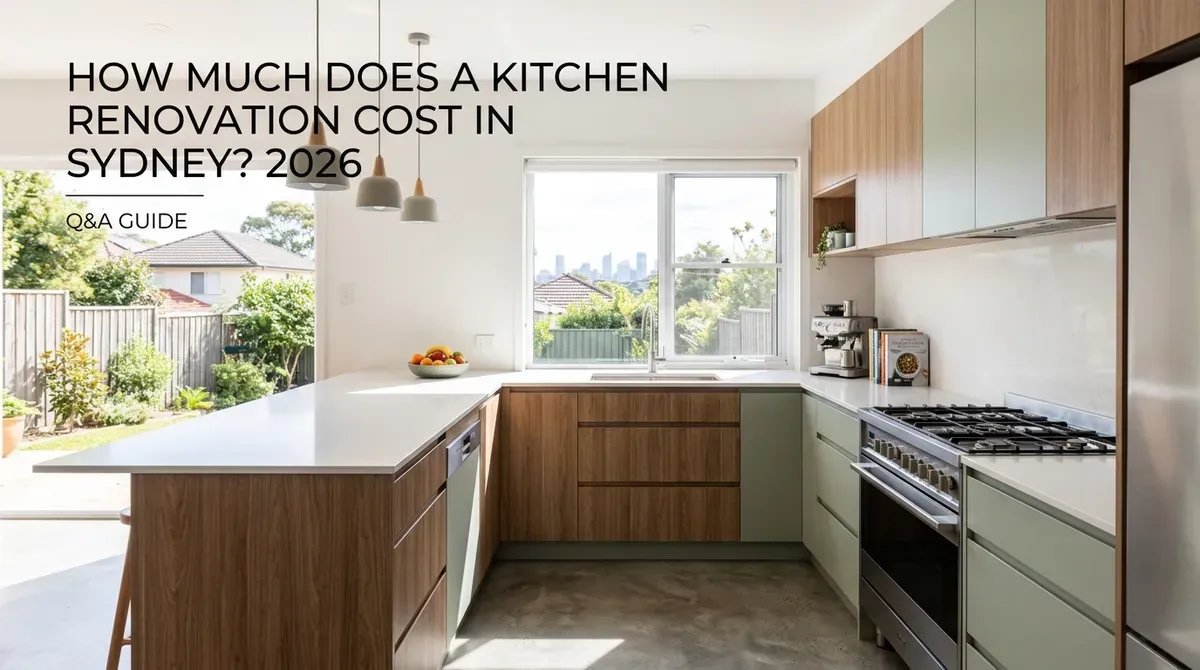
In 2026, many homeowners are asking the same question: “How much does a kitchen renovation cost in Sydney?” With construction prices, interest rates, and property values continuing to shift across the city, understanding real renovation budgets has never been more important.
From our experience at JD PRO BUILD, one of the biggest problems we see is that families start a project without a clear cost range. Quotes then come back far higher than expected, leading to stressful compromises mid–project.
In this guide, we’ll walk you through realistic kitchen renovation costs in Sydney, how budgets are allocated, common hidden expenses, and smart ways to save money without sacrificing quality. Our aim is simple: to help you make informed decisions and avoid costly surprises.
“Price is what you pay. Value is what you get.”
— Warren Buffett
For a broader look at home renovation costs, you may also want to read our article on Granny Flat Builder Sydney: Costs & Considerations (replace # with your actual URL).
How Much Does a Kitchen Renovation Cost in Sydney Overall?
Understanding 2026 Budget Tiers in Sydney
As a starting point, here are the typical kitchen renovation cost ranges in Sydney for 2026:
- Basic / Small kitchens: $15,000 – $25,000
Best suited to small apartments or compact kitchens needing cosmetic updates with no major layout changes. - Mid-range family kitchens: $25,000 – $45,000
This is the most common range for suburban family homes looking for durable materials and reliable appliances. - Luxury / Custom kitchens: $45,000+
Designed for premium homes, entertainers’ kitchens, or high-end apartments where aesthetics and bespoke details are top priorities.
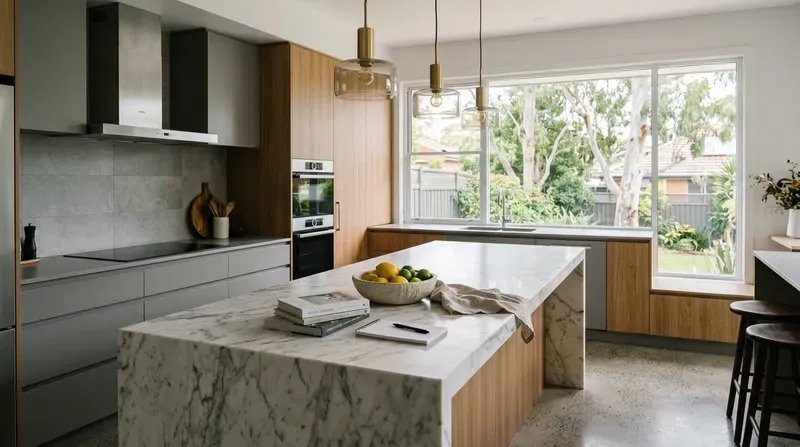
These ranges are based on recent JD PRO BUILD projects and typical Sydney supplier and labour pricing in 2026. Actual costs will still depend heavily on your property type, access, material selections, and the complexity of the work.
How Your Kitchen Renovation Budget Is Allocated
Understanding where your money goes helps you stay in control of your project.
In a typical Sydney kitchen renovation, your budget is often split roughly as follows:
- Materials (around 40%)
This includes cabinetry, benchtops, splashbacks, flooring, fixtures, and fittings. - Labour and trades (around 40%)
Carpenters, plumbers, electricians, tilers, painters, and installers. - Project management and miscellaneous (around 20%)
Design planning, approvals, rubbish removal, delivery fees, and contingencies.
In recent years, skilled labour shortages have driven up labour rates across Sydney. According to the Housing Industry Association (HIA), trade availability continues to affect renovation pricing nationwide. This is one reason why two similar-looking kitchens can still end up with very different total costs.
A practical way to approach your budget is to decide early where you want to invest more (for example, benchtops or appliances) and where you’re comfortable saving (such as standard handles or simpler splashbacks).
Quick Reference Kitchen Renovation Pricing Table
Below is a simplified breakdown of typical budget tiers for Sydney kitchens in 2026:
| Budget Tier | Estimated Cost (2026) | Typical Inclusions |
|---|---|---|
| Basic / Small | $15,000 – $25,000 | Laminate benchtops, modular cabinets, basic appliances, no layout changes. |
| Mid-Range | $25,000 – $45,000 | Engineered stone, polyurethane cabinets, premium appliances, minor plumbing updates. |
| Luxury / Custom | $45,000+ | Natural stone, bespoke timber joinery, integrated pro appliances, structural changes. |
Example Kitchen Renovation Budgets in Sydney (Realistic Scenarios)
Numbers are easier to understand when you can visualise a real kitchen. Here are some common scenarios we see at JD PRO BUILD.
Small Apartment Kitchen (Inner West or City Fringe)
- Approximate size: 8–10 m²
- Typical budget: $18,000 – $25,000
Common inclusions:
- Flat-pack or modular cabinets
- Laminate or entry-level engineered stone benchtops
- Basic but reliable appliance package
- No change to the existing layout
Real example from JD PRO BUILD:
We recently upgraded a compact apartment kitchen in Marrickville for just under $22,000. By keeping the original layout and using quality flat-pack cabinets with an engineered stone benchtop, the owner achieved a modern, functional kitchen without stretching their budget. The biggest saving came from avoiding any major plumbing or electrical relocations.

Family Home Kitchen (Western or Northern Suburbs)
- Approximate size: 12–16 m²
- Typical budget: $28,000 – $40,000
Common inclusions:
- Custom or semi-custom cabinetry in polyurethane
- Mid-range engineered stone benchtops
- Mid-range appliance package (oven, cooktop, rangehood, dishwasher)
- Minor plumbing or electrical upgrades
This range suits many freestanding homes across Western Sydney, the North Shore, and similar areas, where families want better storage, modern finishes, and durable materials that will last.
High-End Entertainer’s Kitchen (Eastern Suburbs or Premium Locations)
Approximate size: 16–22 m² or larger
Typical budget: $55,000+
Common inclusions:
- Fully bespoke joinery, often with timber veneer details
- Natural stone or porcelain benchtops and feature splashbacks
- Integrated appliance packages, double ovens, wine fridges, or butler’s pantry fit-out
- Structural work such as removing walls or widening openings
In these projects, the focus is on both visual impact and long-term lifestyle value. For many clients in this bracket, the kitchen becomes the centrepiece of open-plan living.
How Much Should You Budget for Kitchen Cabinetry in Sydney?
Refacing Versus Replacing Existing Cabinets
Cabinetry is often one of the largest cost items in a kitchen renovation. Many Sydney homeowners ask whether they should reface existing cabinets or replace them completely.
- Refacing (new doors and panels on existing carcasses):
This is usually the most budget-friendly option if the internal structures are still in good condition. You can dramatically change the look of your kitchen with new doors, handles, and end panels at a fraction of the cost of a full rebuild. - Full replacement:
Necessary when cabinets are water-damaged, warped, poorly designed, or made from very old materials. Replacement allows you to redesign storage, improve ergonomics, and incorporate modern hardware such as soft-close hinges and drawers.
At JD PRO BUILD, we generally recommend refacing only when we are confident the existing carcasses will last. In older Sydney homes, hidden water damage around sinks or dishwashers often makes full replacement the safer long-term choice.
How Cabinet Materials Impact Total Cost
Your choice of materials will significantly affect your final kitchen price:
Cabinet Material Options and Their Costs
- Melamine/laminate:
Durable, easy to clean, and highly cost-effective. Ideal for investment properties and budget-conscious family homes. - Polyurethane (painted finish):
A popular mid-range choice across Sydney. It offers a sleek, modern look with a wide range of colours and profiles. Slightly higher cost than basic laminates but very attractive in resale terms. - Timber veneer or solid timber accents:
Premium options that bring warmth and character to your kitchen. They are more expensive and require more care but can significantly enhance the overall feel of the space.
In our 2026 projects, we see polyurethane remaining the most common choice for homeowners who want a modern look without moving into fully luxury territory.
For more detail on finishes and design choices, you can explore our related article on Ultimate Guide: Kitchen Renovation in Sydney (2026).
Custom Joinery Versus Modular Systems
Deciding between custom cabinetry and modular (flat-pack) systems is a major financial decision:
Modular / flat-pack systems:
- Mass-produced and generally cheaper
- Work well for standard room sizes and straightforward layouts
- Faster to supply and install in many cases
Custom joinery:
- Tailored to your exact space, including awkward corners, bulkheads, and high ceilings
- Allows for more storage, better ergonomics, and higher-end finishes
- Typically costs more in both materials and labour
A smart strategy many of our clients use is to combine both: custom joinery for visible or high-impact areas (like the island and feature wall) and modular units for less visible runs or pantry interiors. This hybrid approach can produce a designer look while helping you stay within budget.
What Is a Realistic Budget for Kitchen Appliances in Sydney?
Appliance Packages by Budget Tier
Appliances are another area where costs can vary widely.
Here are typical appliance spend ranges we see in Sydney:
Basic package: $2,000 – $4,000
- Freestanding oven
- Basic cooktop
- Standard rangehood
Mid-range package: $5,000 – $10,000
- Better energy efficiency
- More precise temperature control
- Reliable brand warranties
High-end/professional package: $10,000+
- Steam ovens, integrated coffee machines
- Larger or double dishwashers
- Specialist cooking equipment (such as teppanyaki plates or wine fridges)
Integrated Versus Freestanding Appliances
Your choice between integrated and freestanding appliances has both cost and design implications:
Integrated appliances:
- Blend seamlessly into cabinetry with matching doors
- Provide a clean, minimalist look
- Typically cost more to buy
- Require extra joinery work and careful installation
Freestanding appliances:
- Generally cheaper and easier to replace
- Still available in stylish stainless steel and modern designs
- Offer more flexibility if you plan to upgrade in stages
Integrated appliances can be a great choice for premium kitchens, but in many projects we complete, freestanding options free up budget for higher-quality benchtops or cabinetry.
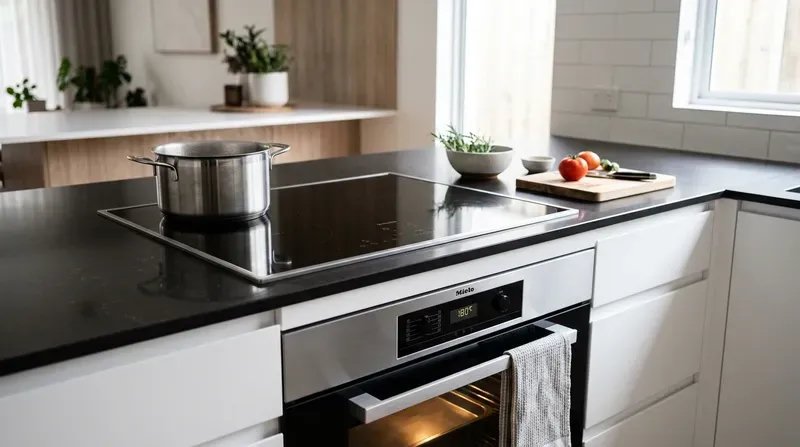
Installation Costs for Different Cooktops
Cooktop selection can have a surprising impact on your installation budget:
- Gas cooktops:
Require a licensed gas fitter. Moving the cooktop may also involve new gas lines and compliance checks. - Induction cooktops:
Usually need more power than older electric cooktops. In many Sydney homes, this can mean running a new dedicated circuit from the switchboard, which adds electrical costs. - Upgrading services:
If your switchboard is outdated or overloaded, it may need an upgrade before new appliances can be safely installed.
These “hidden” trade costs are easy to overlook when you are comparing appliance prices online, so it’s wise to discuss installation requirements with your builder or electrician early.
How Does Changing the Kitchen Layout Affect the Price?
The High Cost of Moving Services
Relocating plumbing and electrical services is one of the quickest ways to increase your renovation bill.
Common examples include:
- Moving the sink to a different wall
- Shifting the oven or cooktop to a new position
- Adding a new island with a sink or cooktop
Each change can trigger additional work such as:
- Opening up floors and walls to reroute pipes or cables
- Patching and re-tiling floors or repairing plasterboard
- Multiple visits from plumbers and electricians (rough-in and fit-off)
Even relatively small layout moves can add several thousand dollars in labour and materials.
Keeping the Classic Working Triangle
The traditional working triangle links the sink, cooktop, and fridge in an efficient path. In many existing Sydney kitchens, this layout already works reasonably well.
At JD PRO BUILD, we often recommend preserving the triangle and working within the existing “footprint” where possible. This usually allows you to:
- Save significantly on plumbing and electrical costs
- Reduce the risk of discovering additional issues under floors or behind walls
- Allocate more of your budget to visible upgrades like cabinetry and benchtops
A clever cosmetic transformation over your current layout can deliver excellent results without the price tag of a full structural reconfiguration.
Structural Alterations and Open-Plan Living
Creating an open-plan kitchen by removing walls is a common request, especially in older Sydney terraces and brick homes
However, altering load-bearing walls involves:
- Engaging a structural engineer to design beams or supports
- Installing steel beams or posts
- Additional labour, equipment, and finishing works
It’s not unusual for structural changes to add $10,000 – $20,000 or more to a project, depending on complexity and access.
Because of this, we encourage clients to think carefully about the lifestyle benefits of these changes. If opening up a wall will significantly improve how you live and add long-term value, it can be a worthwhile investment. If not, your budget might be better spent on higher-quality finishes within the existing layout.
Hidden or Often Overlooked Costs in Sydney Kitchen Renovations
Some costs may not be obvious when you first start planning. Being aware of them early helps you avoid surprises.
Compliance and Approvals
Depending on your property type and the extent of work, you may need to consider:
- Strata approvals for apartments or townhouses.
- Council considerations for structural changes or major works
Obtaining the right approvals can add time and some cost but is essential for peace of mind and future resale.
Upgrades to Existing Services
Older properties may require:
- Electrical upgrades for safety and capacity
- Plumbing updates to meet current standards
These upgrades are not always visible in the final result, but they are important for safety and long-term reliability.
Temporary Living Adjustments
Living through a renovation can mean:
- Setting up a temporary cooking area
- Eating out more often during certain phases
While these are not construction costs, they are real expenses worth keeping in mind when planning your overall budget.
How to Plan Your Kitchen Renovation Budget (Step-by-Step)
A clear budget is one of the best tools for a smooth renovation.
Clarify Your Priorities
Start by asking what matters most to you:
- Is it storage and functionality?
- Is it a particular look or finish?
- Is it adding value before selling?
Your answers will guide where to invest and where to save.
Define a Realistic Budget Range
Once you have a sense of the cost ranges, decide on a budget you are comfortable with and a small contingency for unexpected items.
From our experience, a 10–15% contingency is a sensible starting point.
Request Detailed, Itemised Quotes
Always ask for itemised quotes that clearly show:
- What is included and excluded
- Allowances for appliances, fixtures, and finishes
- Estimated timelines
“The bitterness of poor quality remains long after the sweetness of low price is forgotten.”
— Often attributed to Benjamin Franklin
A transparent quote helps you compare options fairly and avoid misunderstandings later.
Review, Adjust, and Finalise
After reviewing your quotes, you may decide to:
- Upgrade some items and scale back others
- Stage the work in phases
- Align your renovation with other planned home improvements
How to Save Money on a Kitchen Renovation Without Sacrificing Quality
Cost savings do not always require cutting corners. Often, it is about making smart trade-offs.
Keep the Existing Layout Where Possible
Retaining your current layout can significantly reduce plumbing and electrical costs. Small adjustments, such as improving storage or lighting, can still create a big improvement in how the kitchen works.
Choose Materials Wisely
You can often achieve a high-end look without always choosing the most expensive materials. For example:
- Well-chosen laminate or engineered stone can look excellent
- Mid-range appliances from reputable brands can perform very well
We frequently help clients review samples in person so they can see and feel the difference before deciding.
Focus on What You Use Every Day
Invest most of your budget in the elements you interact with daily:
- Cabinetry quality and hardware
- Benchtops and storage
- Reliable appliances
Decorative elements can often be updated later if needed.
How Long Does a Kitchen Renovation Take in Sydney?
Timelines vary depending on the scope of work, but a typical kitchen renovation might follow this pattern:
- Planning and design: from a few weeks to a couple of months
- Ordering materials and joinery: several weeks, depending on suppliers
- On-site works: often 3–6 weeks for a standard project, longer if major structural changes are involved
From our experience, projects run most smoothly when design decisions are made early, and materials are confirmed before demolition starts.
DIY vs Hiring a Professional Sydney Kitchen Builder
Some homeowners consider managing parts of the renovation themselves. This can make sense in limited situations, but there are important trade-offs.
When DIY May Be Suitable
DIY or partially DIY approaches may work if:
- You have relevant skills and experience
- The work is cosmetic and low-risk
- You have enough time to coordinate trades and deliveries
- Benefits of Working With a Professional Builder
Benefits of Working With a Professional Builder
Working with an experienced Sydney builder such as JD PRO BUILD offers key advantages:
- A single point of contact for the entire project
- Access to trusted, licensed trades
- Guidance on design, materials, and practical details
- Support with approvals and compliance where required
Many of our clients choose us specifically because they prefer a structured, guided process rather than managing everything themselves.
How JD PRO BUILD Approaches Kitchen Renovation Costs in Sydney
At JD PRO BUILD, our goal is to deliver kitchens that are beautiful, practical, and built to last.
Real-World Experience Across Sydney
Over the years, we have completed kitchen renovations in:
- Inner-city apartments
- Family homes in the suburbs
- Properties undergoing full home transformations
In one recent project, a family in Western Sydney wanted a more open kitchen for entertaining. Without changing the footprint dramatically, we reworked the layout, upgraded cabinetry and lighting, and included a practical island bench. The result was a mid-range renovation that transformed daily life without pushing the budget into high-end territory.
Transparent, Collaborative Process
Our process typically involves:
- An initial conversation to understand your goals and budget
- On-site assessment and measurements
- Design and layout recommendations
- A clear, itemised proposal
- Careful scheduling and project management
Throughout the project, we remain available to answer questions and guide decisions so you feel confident at each step.
Frequently Asked Questions About Kitchen Renovation Costs in Sydney
Is $20,000 Enough for a Kitchen Renovation in Sydney?
It can be, especially for a smaller or more basic kitchen where you keep the existing layout and select budget-friendly materials. For larger spaces or more significant upgrades, you may need to plan for a higher budget.
How Much Does a Small Kitchen Renovation Cost in Sydney?
For smaller kitchens, we often see total costs starting from the lower end of the budget range, depending on materials, appliances, and how much work is required to update services.
What Is the Most Expensive Part of a Kitchen Renovation?
Cabinetry and benchtops typically account for a large portion of the budget, followed by appliances and trades such as plumbing and electrical.
How Can I Avoid Cost Blowouts?
Clear planning, detailed quotes, and a modest contingency are key. Confirm decisions early, avoid late changes, and work with a builder who communicates openly about allowances and options.
Will a New Kitchen Add Value to My Sydney Home?
A well-designed, well-built kitchen can significantly improve both your everyday living and the appeal of your home to future buyers. The exact return on investment depends on your property type, location, and overall market conditions.
Ready to Plan Your Kitchen Renovation in Sydney?
If you are starting to plan your kitchen renovation for 2026, the next step is to turn your ideas into a clear, realistic plan.
At JD PRO BUILD, we are here to help you:
- Understand what is possible in your space and budget
- Choose materials and layouts that suit your lifestyle
- Navigate the renovation process with confidence
If you would like to discuss your project or request a detailed, no-obligation quote, we invite you to get in touch with our team.
Your new kitchen can – and should – be a space you enjoy every day. With the right planning and the right team, it is absolutely achievable.